

Statement by the Deputy Foreign Minister of Armenia at the event entitled “Diplomacy for All: Expanding Boundaries, Representation and Influence”
03 July, 2026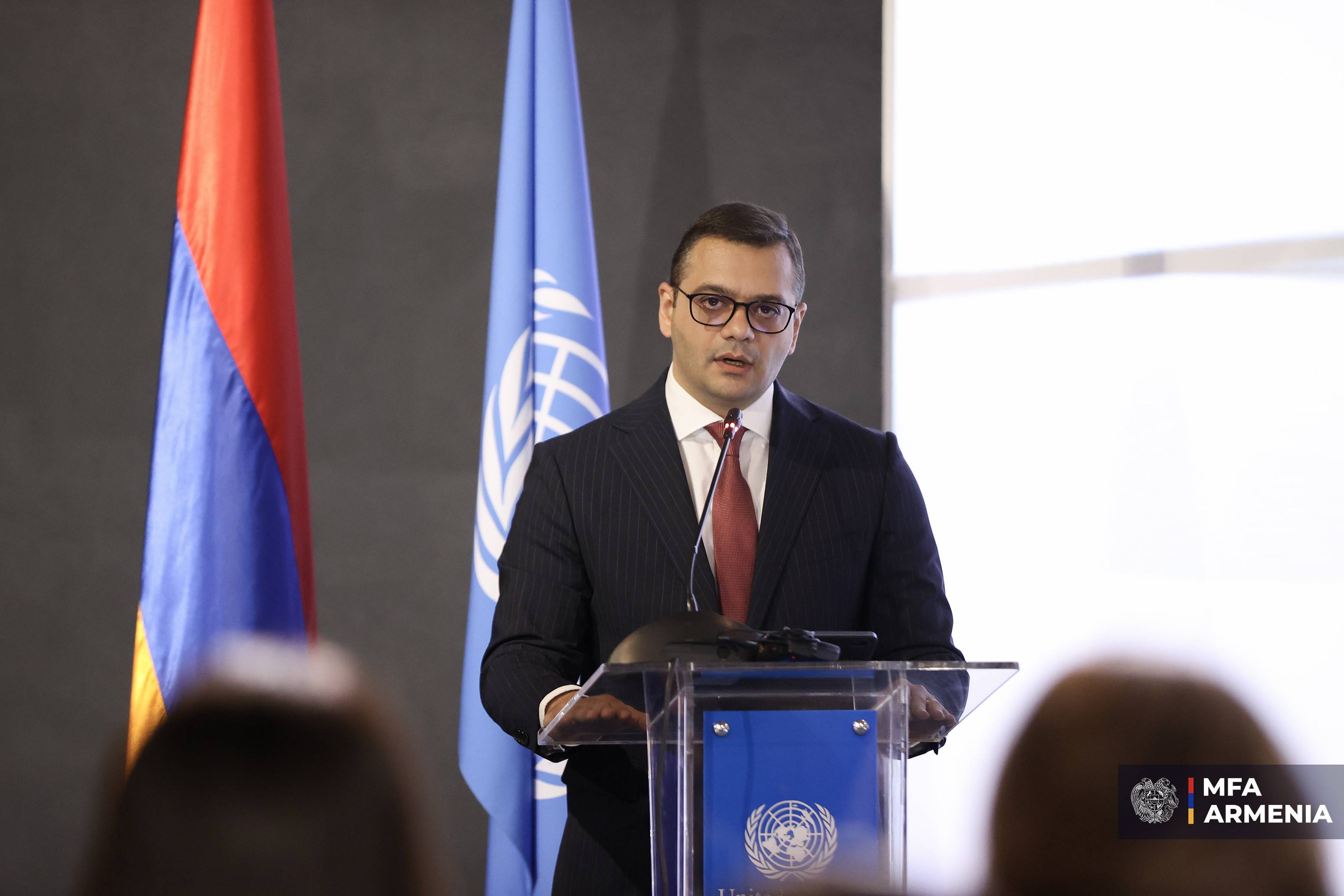
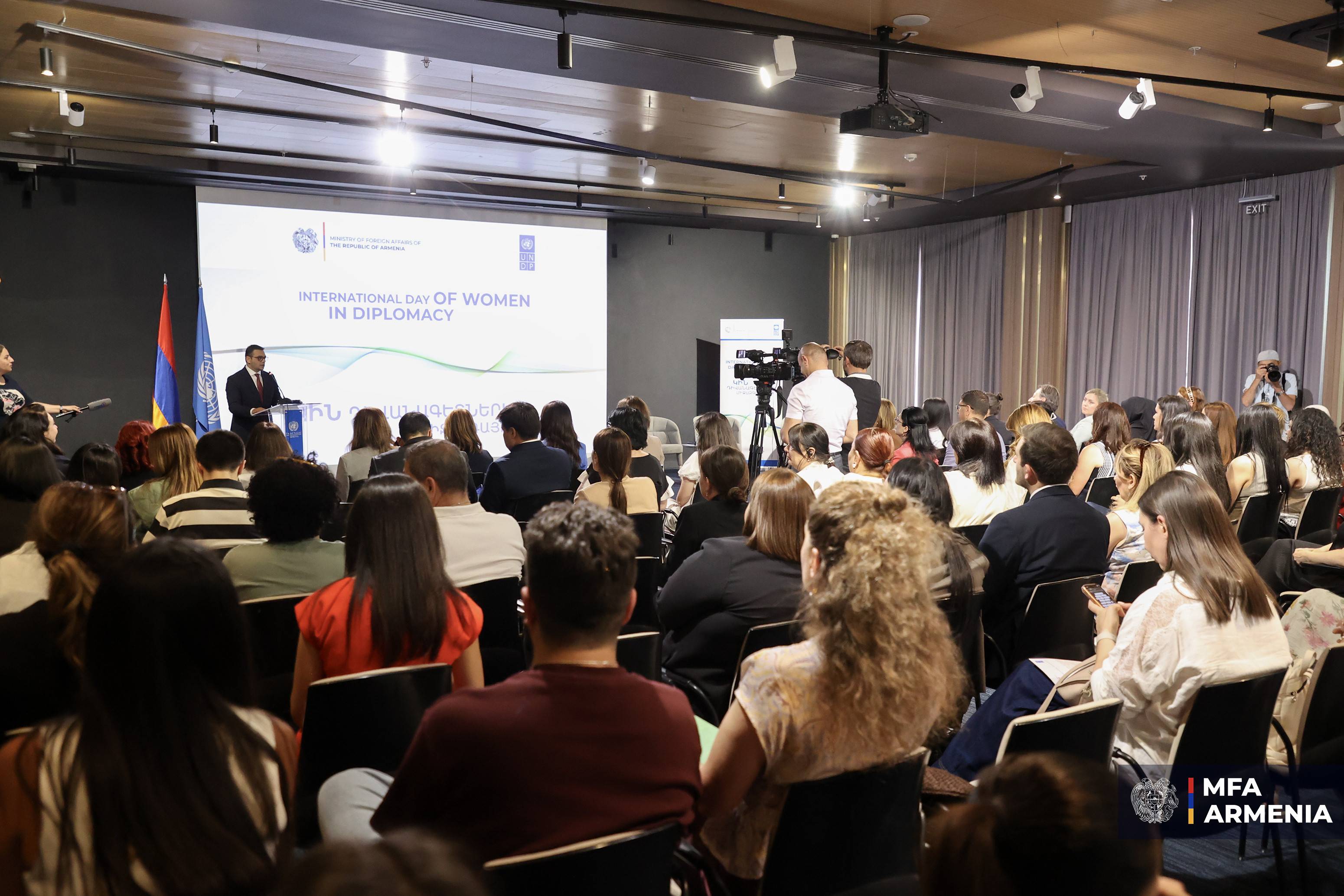
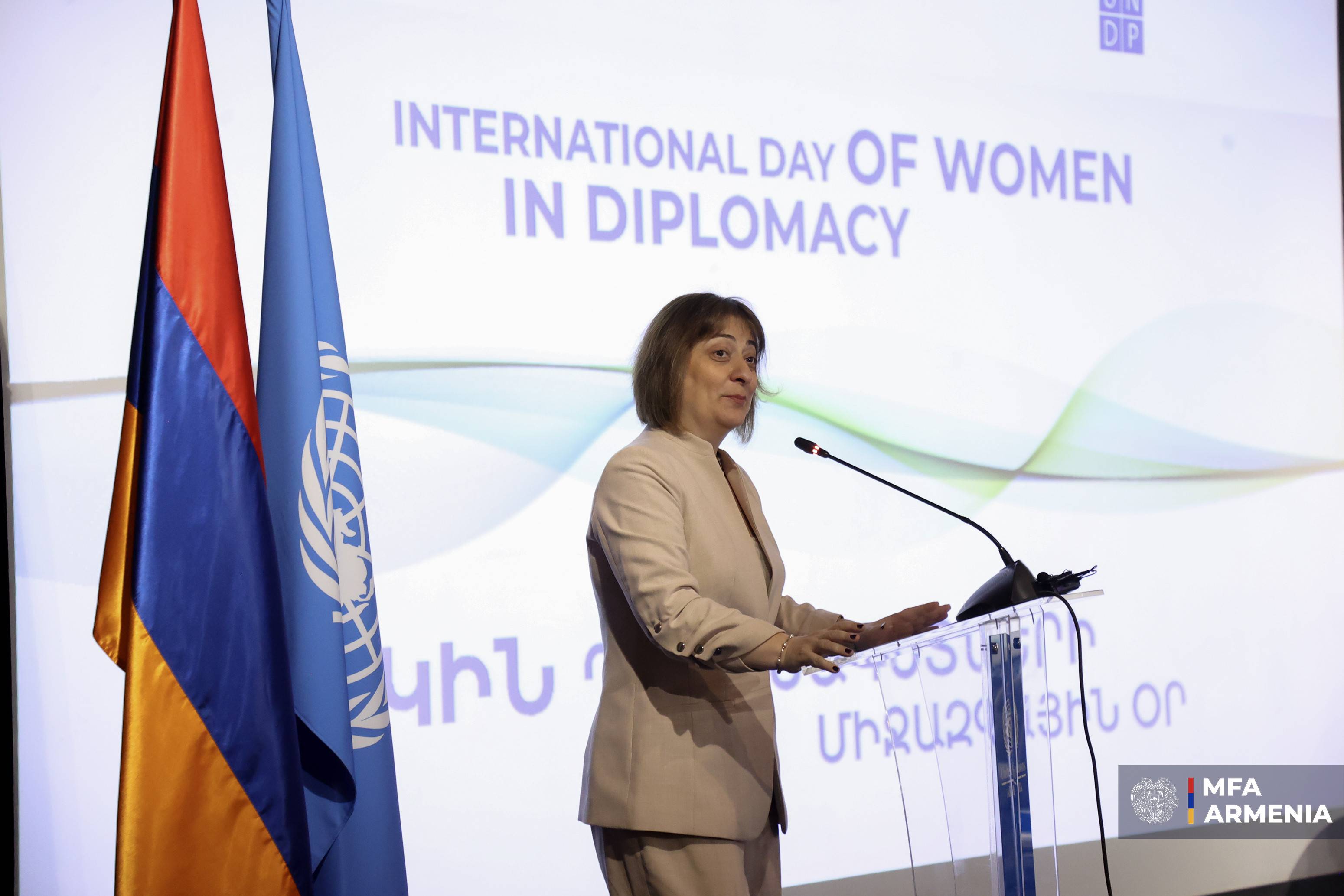
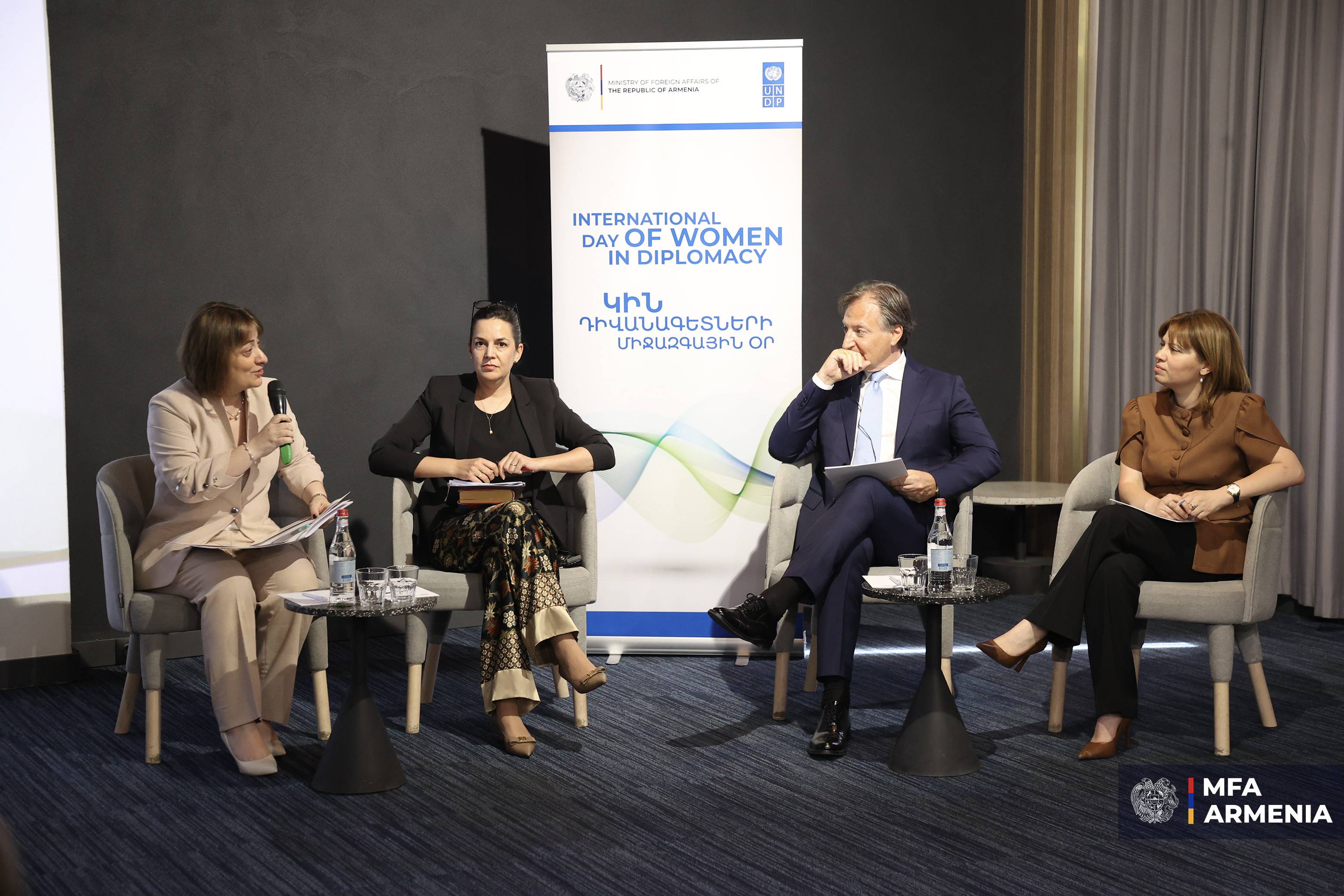
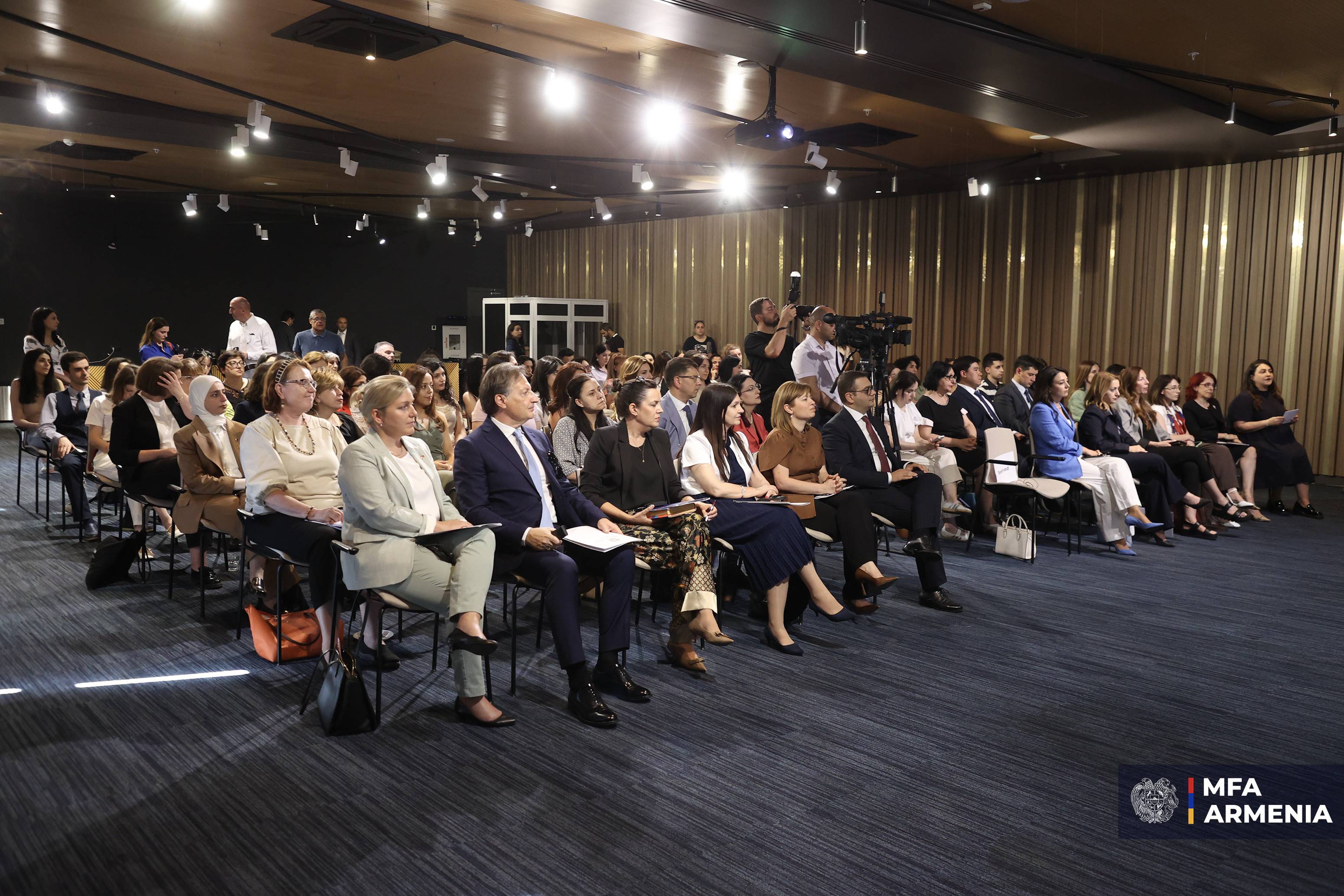
On July 3, an event entitled “Diplomacy for All: Expanding Boundaries, Representation and Influence”, dedicated to the International Day of Women in Diplomacy, was jointly organized by the Ministry of Foreign Affairs of the Republic of Armenia and the United Nations Development Programme (UNDP) in Armenia.
The Deputy Foreign Minister of Armenia Robert Abisoghomonyan delivered opening remarks at the event.
Remarks by the Deputy Foreign Minister of Armenia follows below:
“Excellencies,
Dear Colleagues,
Ladies and Gentlemen,
I am pleased to welcome you to today’s event, organized by the Ministry of Foreign Affairs of the Republic of Armenia in cooperation with the United Nations Development Programme in Armenia, on the occasion of the International Day of Women in Diplomacy.
The title of this year’s event, “Diplomacy for All: Expanding Boundaries, Representation and Influence” accurately describes the transformations that diplomacy currently undergoes.
Not in the distant past, diplomacy was primarily focused on political, security and economic issues, today its agenda is also shaped by climate, biodiversity, artificial intelligence, digital technologies, public health, energy, science, education and many other spheres. International relations have become more interconnected, and global challenges – even more complex.
This reality also changes the nature of diplomacy. Modern diplomacy can no longer rely solely on traditional tools. It requires multidisciplinary knowledge, a combination of deiverse professional experiences, and broad partnerships. Foreign policy is presently shaped not only in government structures, but also in scientific centers, innovative enterprises, international organizations, civil society, and youth communities.
In this sense, “diplomacy for all” is not just a nice slogan. It is an important prerequisite for ensuring the effectiveness of modern diplomacy.
Naturally enough, this transformation of diplomacy also redefines our perceptions about representation and leadership. The more diverse the voices and experiences involved in foreign policy-making processes, the more comprehensive and effective decisions, public trust, and the outcomes of international cooperation. Therefore, the full participation of women in diplomacy and public administration has long since ceased to be purely a matter of equality. It has become an important prerequisite for quality decision-making, viable institutions, and effective diplomacy.
I am pleased to underscore that in recent years Armenia has registered consistent progress in this dimension. The representation of women in the National Assembly, the public administration system, and the diplomatic service has increased. More and more women lead state entities, participate in international negotiations, represent Armenia in international organizations and abroad, making a significant contribution to the development and implementation of our country’s foreign policy.
At the same time, Armenia continues to actively expand its international engagement, taking leadership in a number of multilateral processes. Our foreign policy agenda today includes not only strengthening peace and regional stability, but also developing connectivity , digital transformation, biodiversity presewrvation, promoting innovation, and advancing the Sustainable Development Goals. We are guided by the conviction that sustainable results in all these areas can be achieved only through inclusive cooperation.
The aforementioned developments are also in line with international discussions that have been evovling in recent years around an inclusive and feminist foreign policy. While states adopt different models, at the core of these discussions is a common idea: to make foreign policy more inclusive and responsive to the needs of societies. Armenia shares the values that underpin this approach and has aligned to the Joint Political Declarations of the Ministerial Conferences on Feminist Foreign Policy held in Paris last year and in Madrid this year, reaffirming its commitment to human rights, gender equality, inclusive governance, and effective multilateral cooperation.
This approach is practically embodied also in Armenia’s multilateral initiatives. Last year, at the UN Human Rights Council, Armenia and a group of countries initiated discussions concerning new technologies and the protection of the rights of women and girls, and more coordinated activities of UN entities and agencies in that domain. In autumn, within the framework of the 63rd session of the Human Rights Council, Armenia, along with a cross-regional group of states, will present a draft resolution entitled “Strengthening international cooperation for promoting and protecting the rights of women and girls in the context of digital technologies”. The initiative aims to foster human rights-based, inclusive and gender-sensitive approaches with regard to digital transformation processes, ensuring that women and girls are not merely protected from risks stemming from new technologies, but also participate fully in all stages of their design, development, management and use.
The natural continuation of this approach is also reflected in the priorities of Armenia’s Presidency of the 17th Conference of the Parties to the Convention on Biological Diversity (COP17), which is being assumed by Armenia this year. I am delighted to note that one of the important initiatives within the COP17 will be the Women’s Forum, which will bring together women leaders, experts and civil society representatives to discuss the role of women in promoting the preservation of biodiversity and sustainable development. I am convinced that this platform will give a renewed impetus to the the exchange of experience, enhanced cooperation as well as wider recognition of the significant role of women in the spheres related to the protection of nature, transfer of traditional knowledge and strengthening the resilience of communities.
Dear Colleagues,
By establishing the International Day of Women in Diplomacy, the UN General Assembly has not only tried to honour the contribution of women to diplomacy and international cooperation, but also sent an important message to the international community, reminding us that in order to build a more peaceful, just and sustainable world, everyone should have the opportunity to contribute to these processes.
It is often said that diplomacy is the art of presenting one’s country to the world and explaining the world to one’s country. Nowadays, that mission has gained new content. It implies not merely dialogue between states, but also the ability to bring together different ideas, experiences and people in order to find common solutions.
Highlighting the importance of today's discussions, which will definitely contribute to generating new ideas, I am convinced that the time has come to consolidate efforts to create real opportunities for women's participation.
Thank you.”