

Speech by the Minister of Foreign Affairs and International Trade of Armenia at the closing session of the "Manama Dialogue" forum
01 November, 2026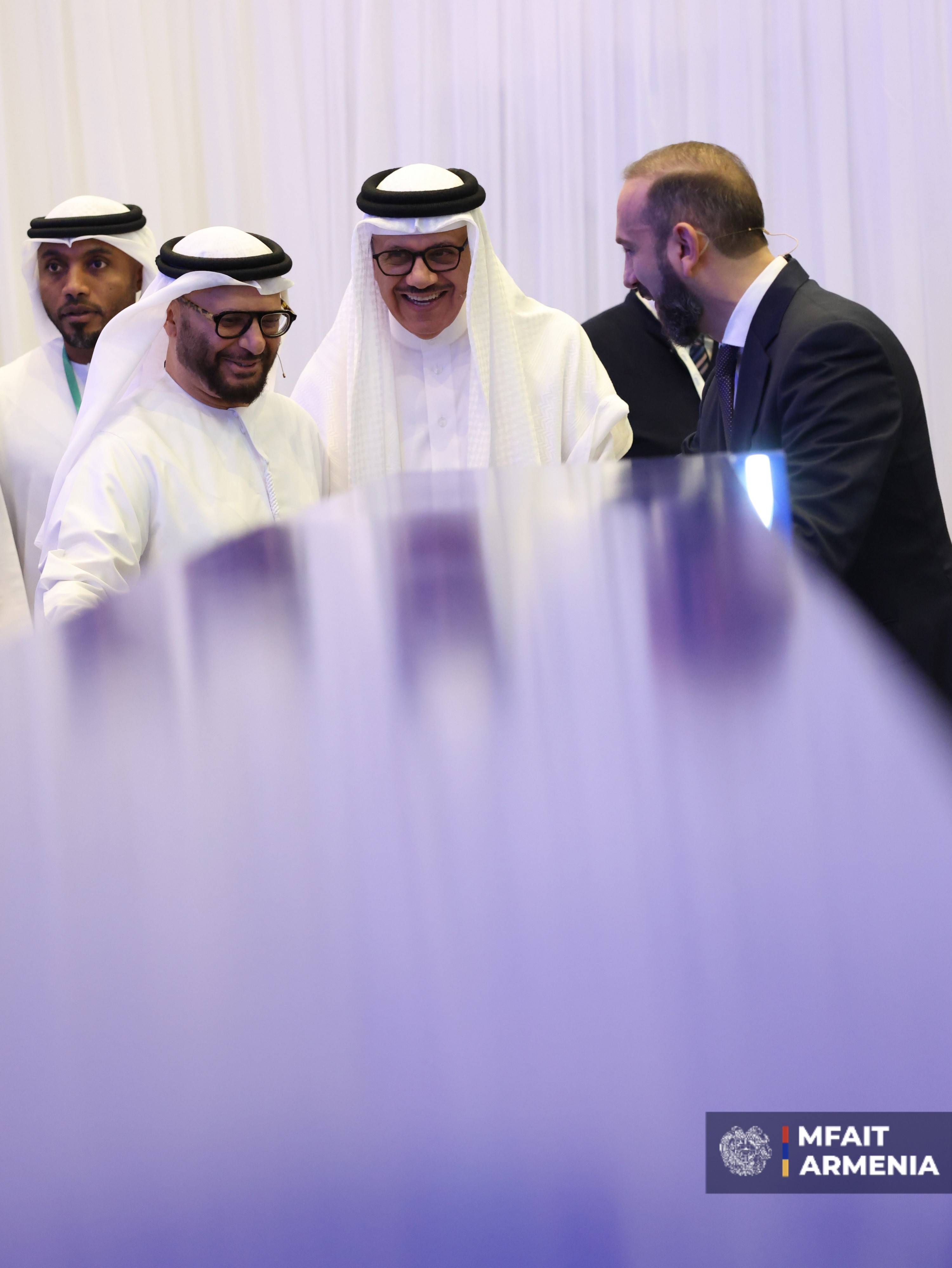
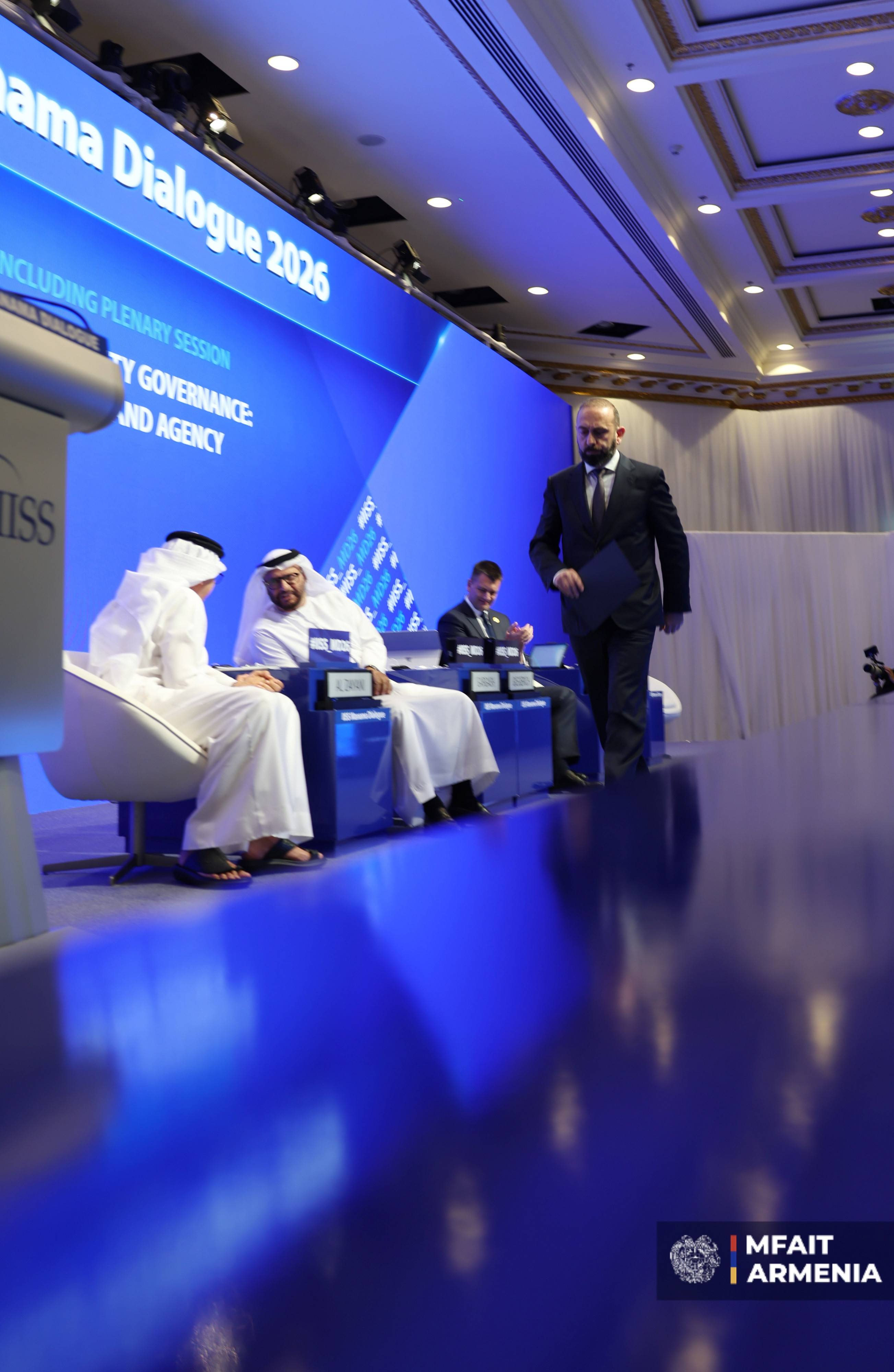
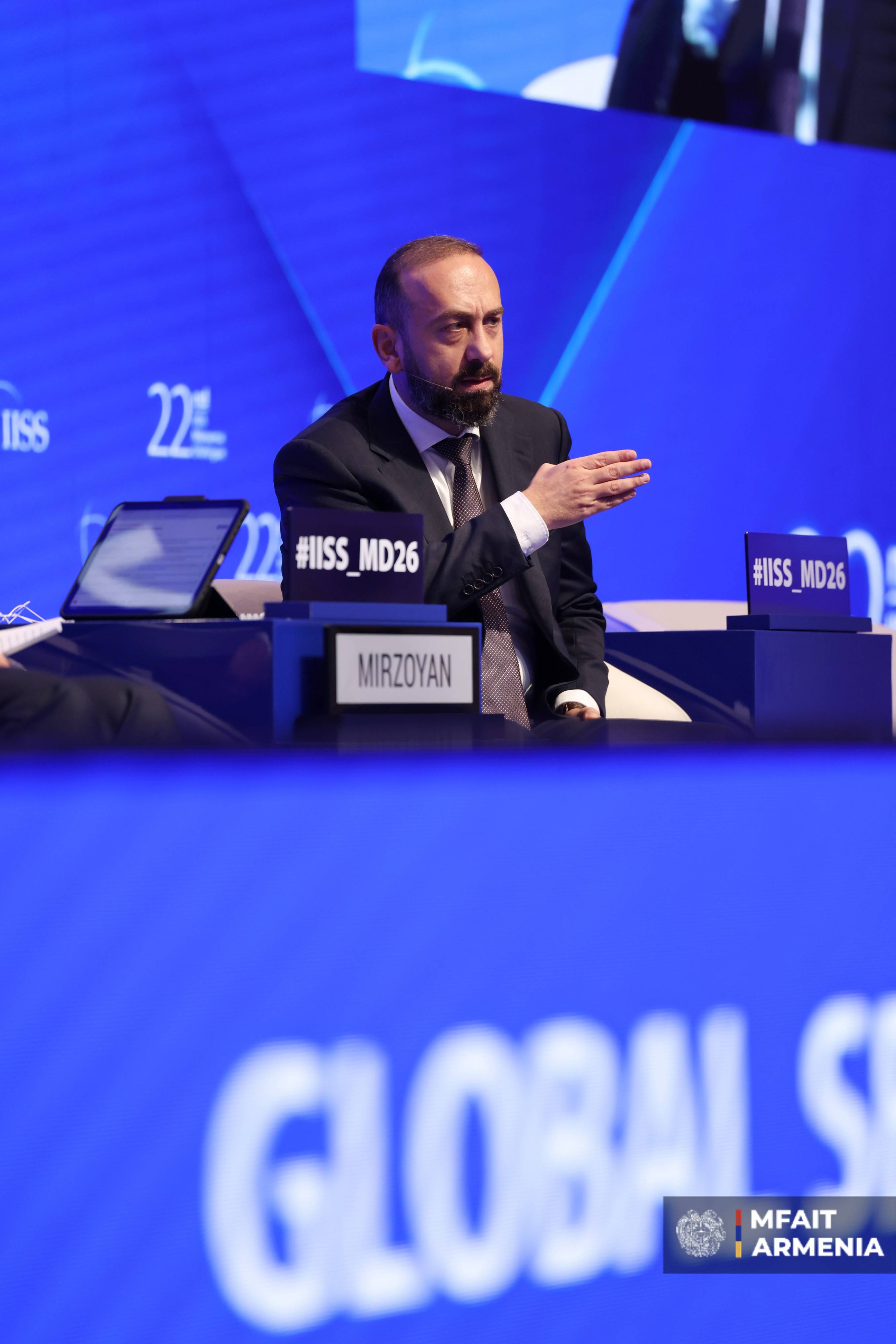
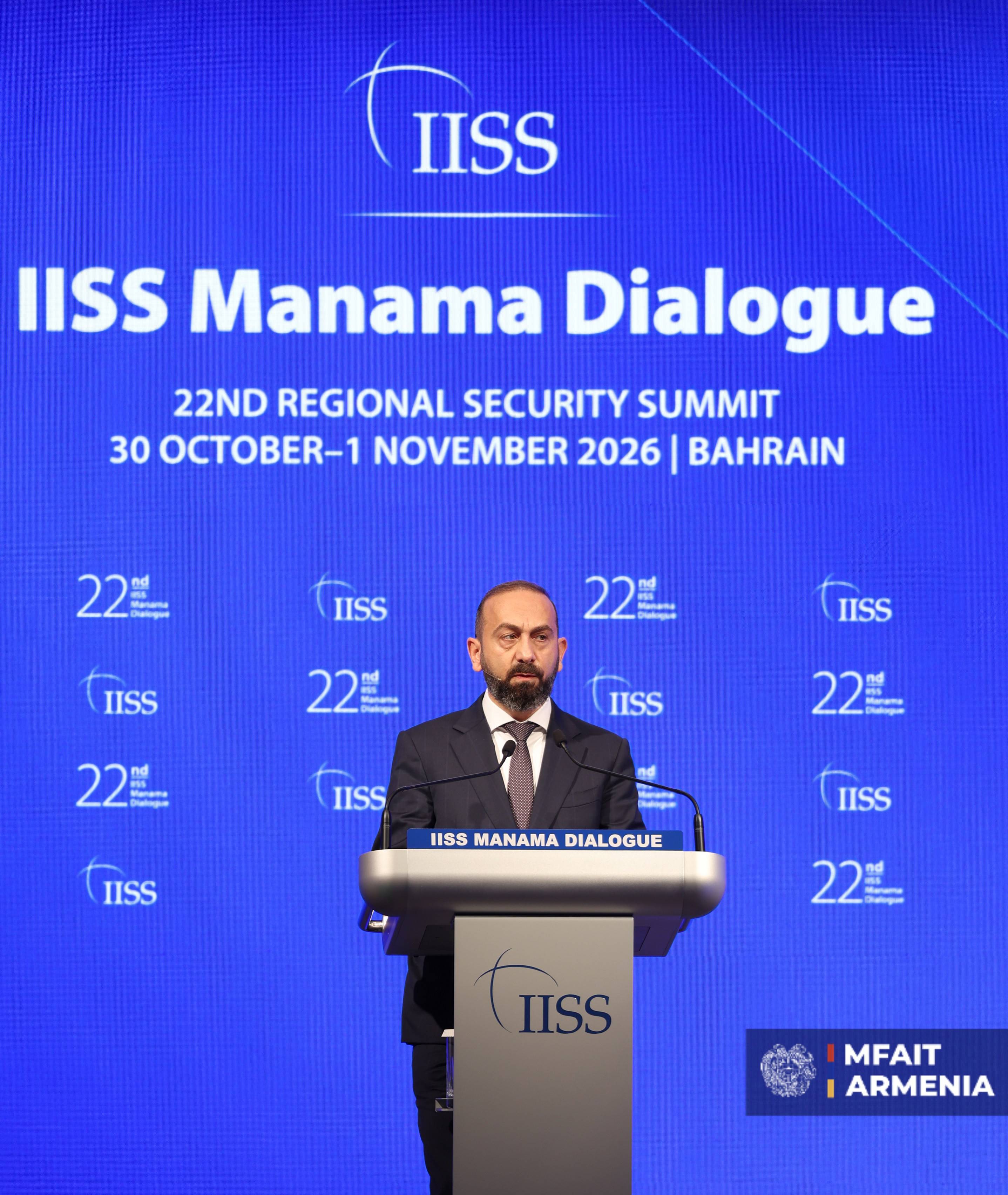
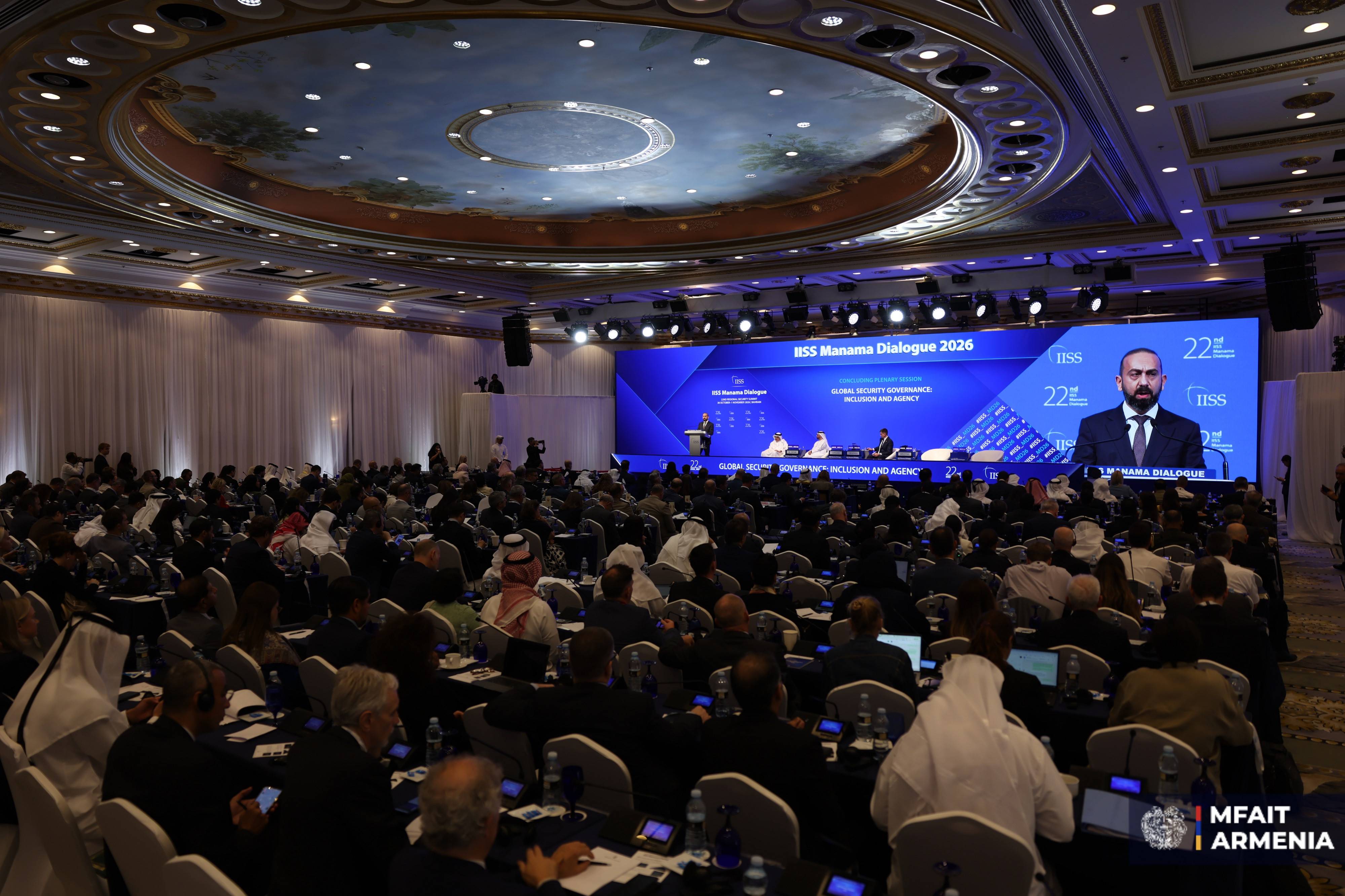
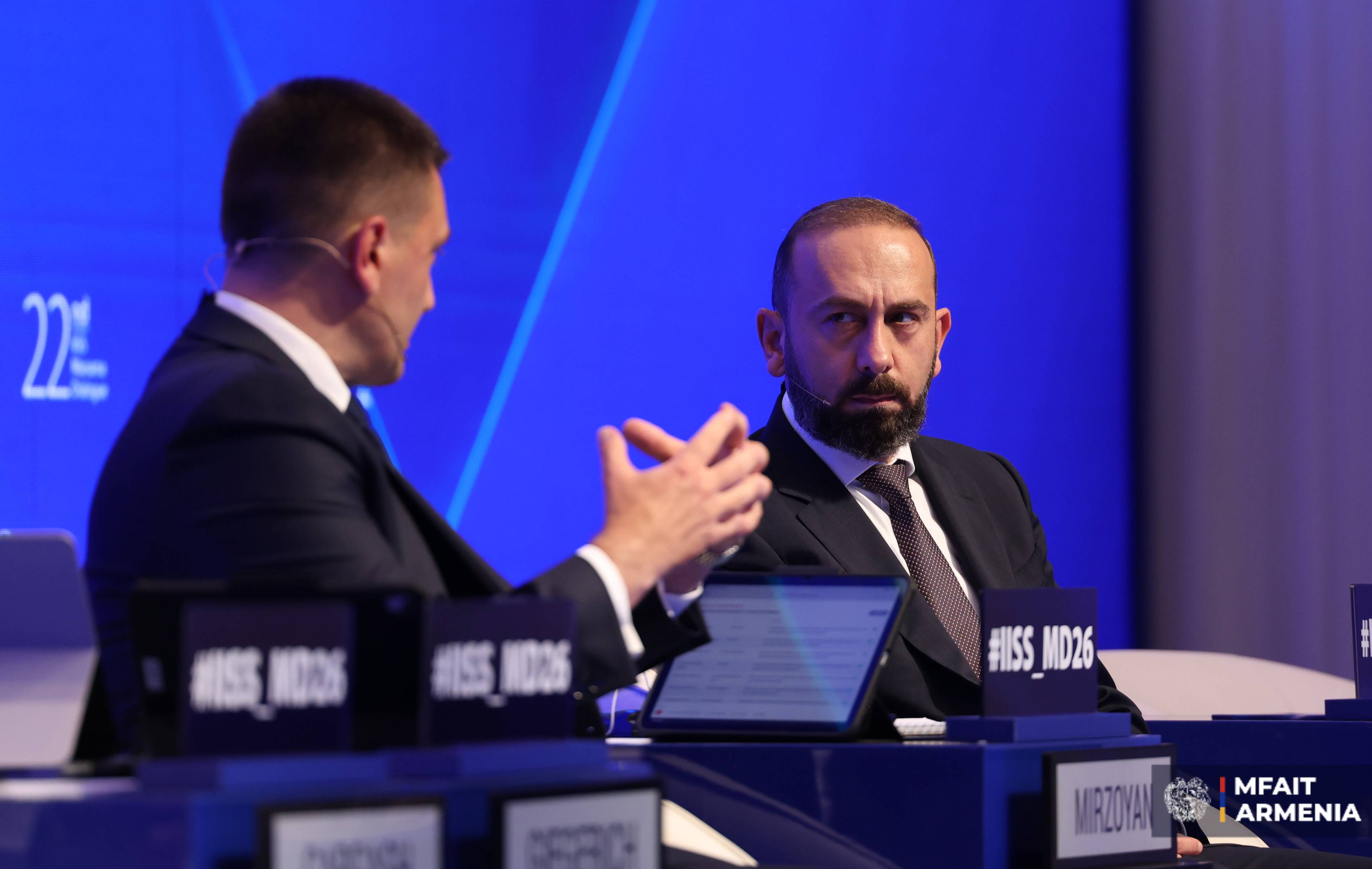
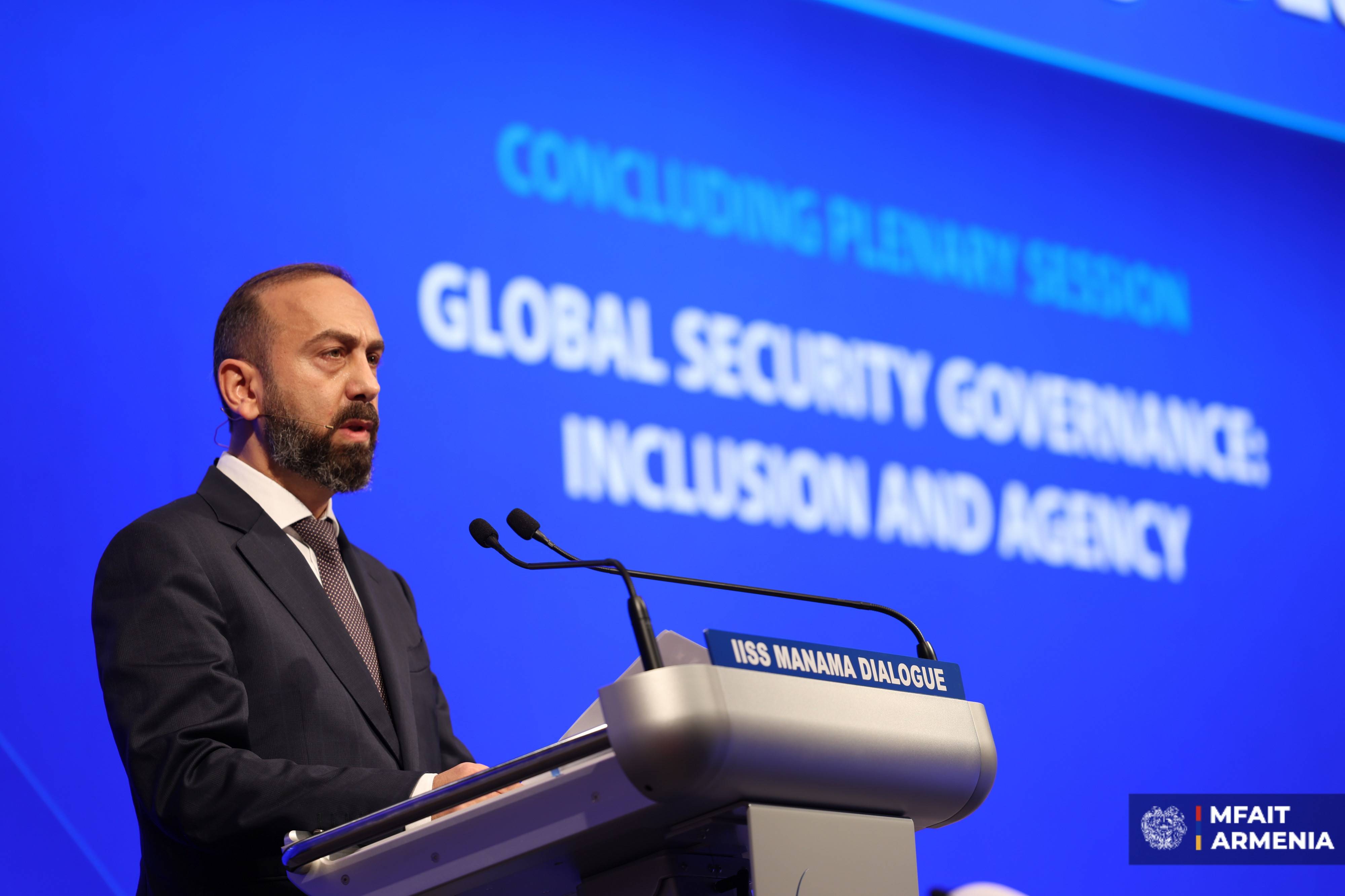
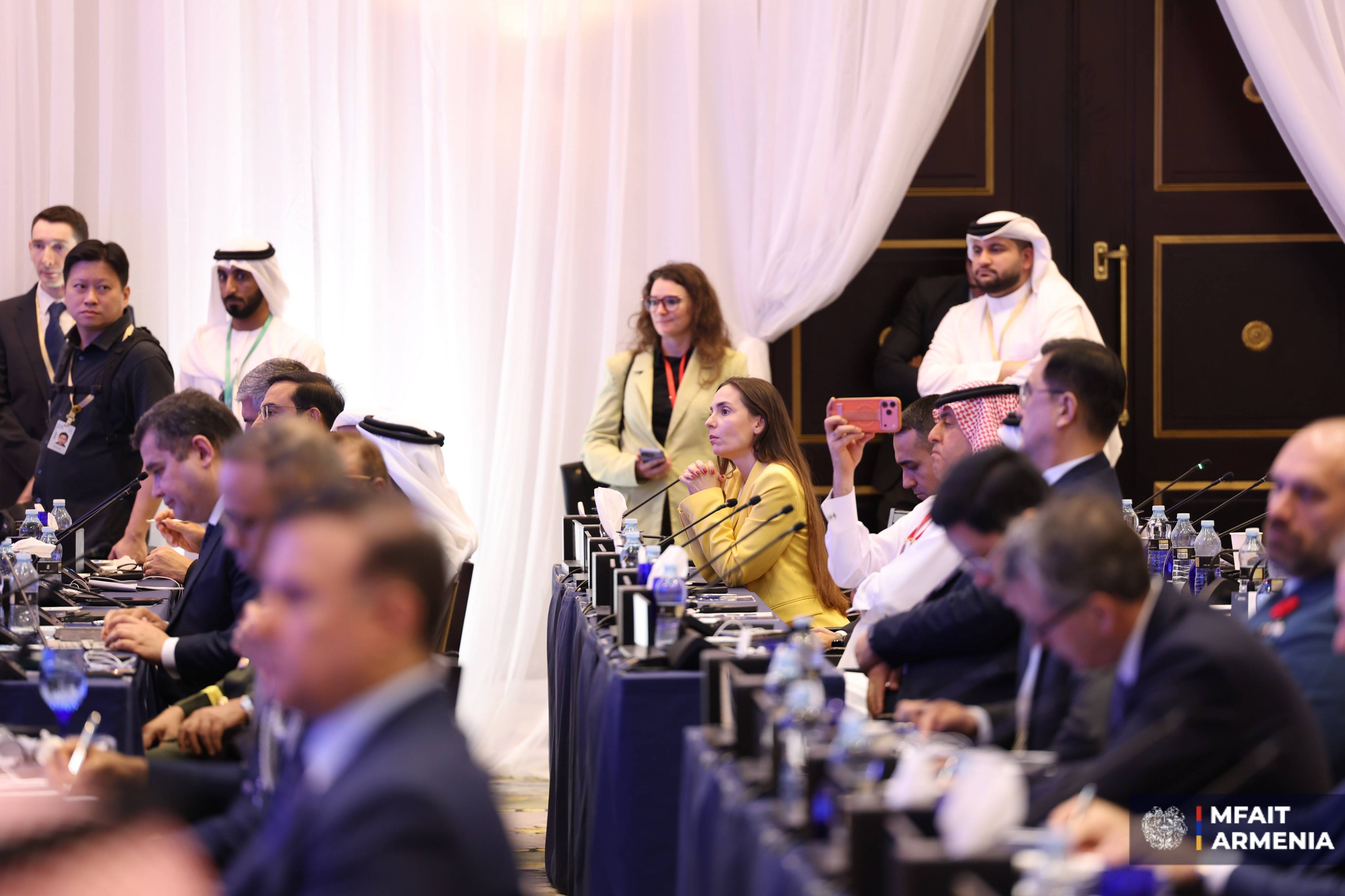
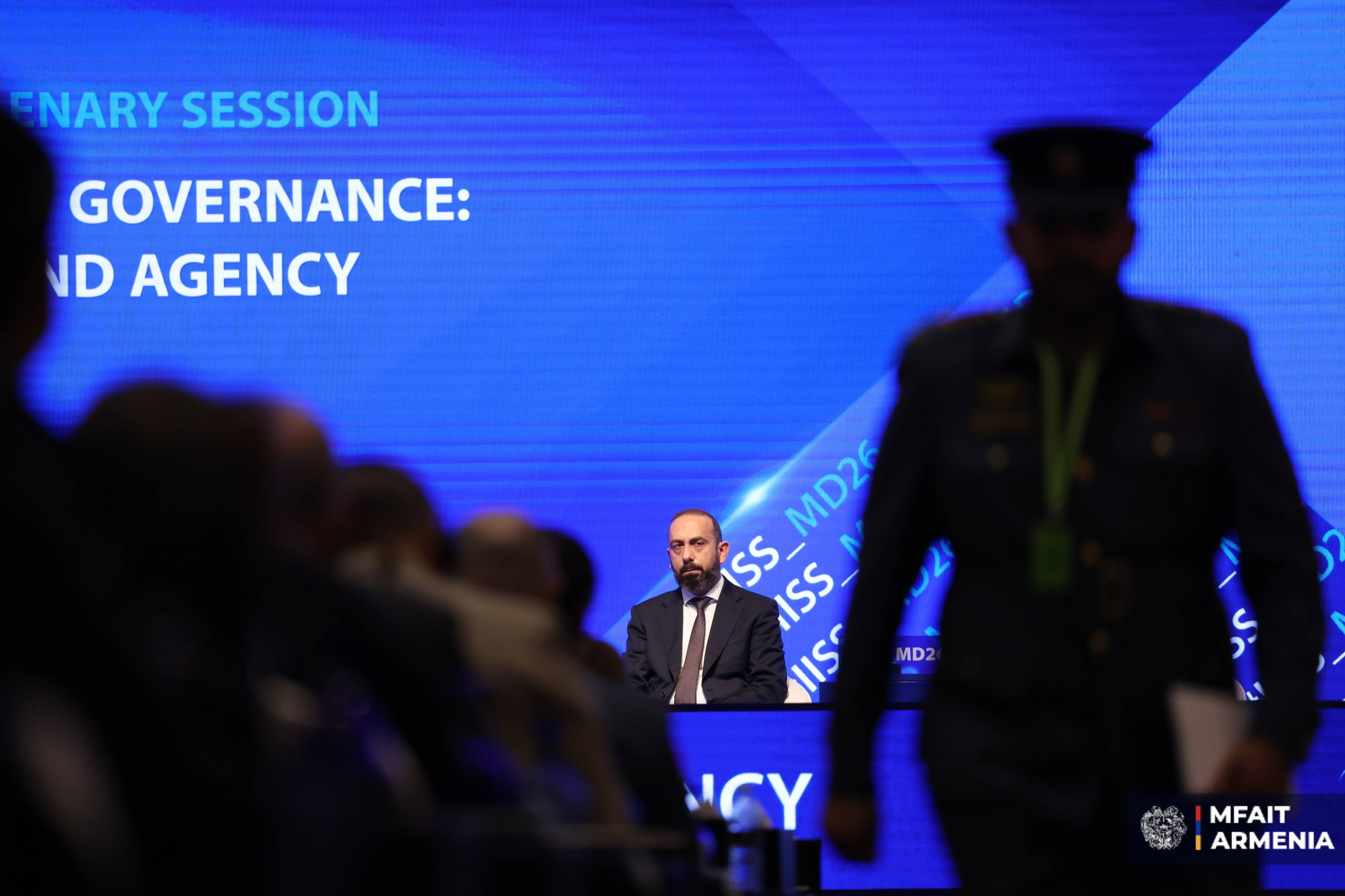
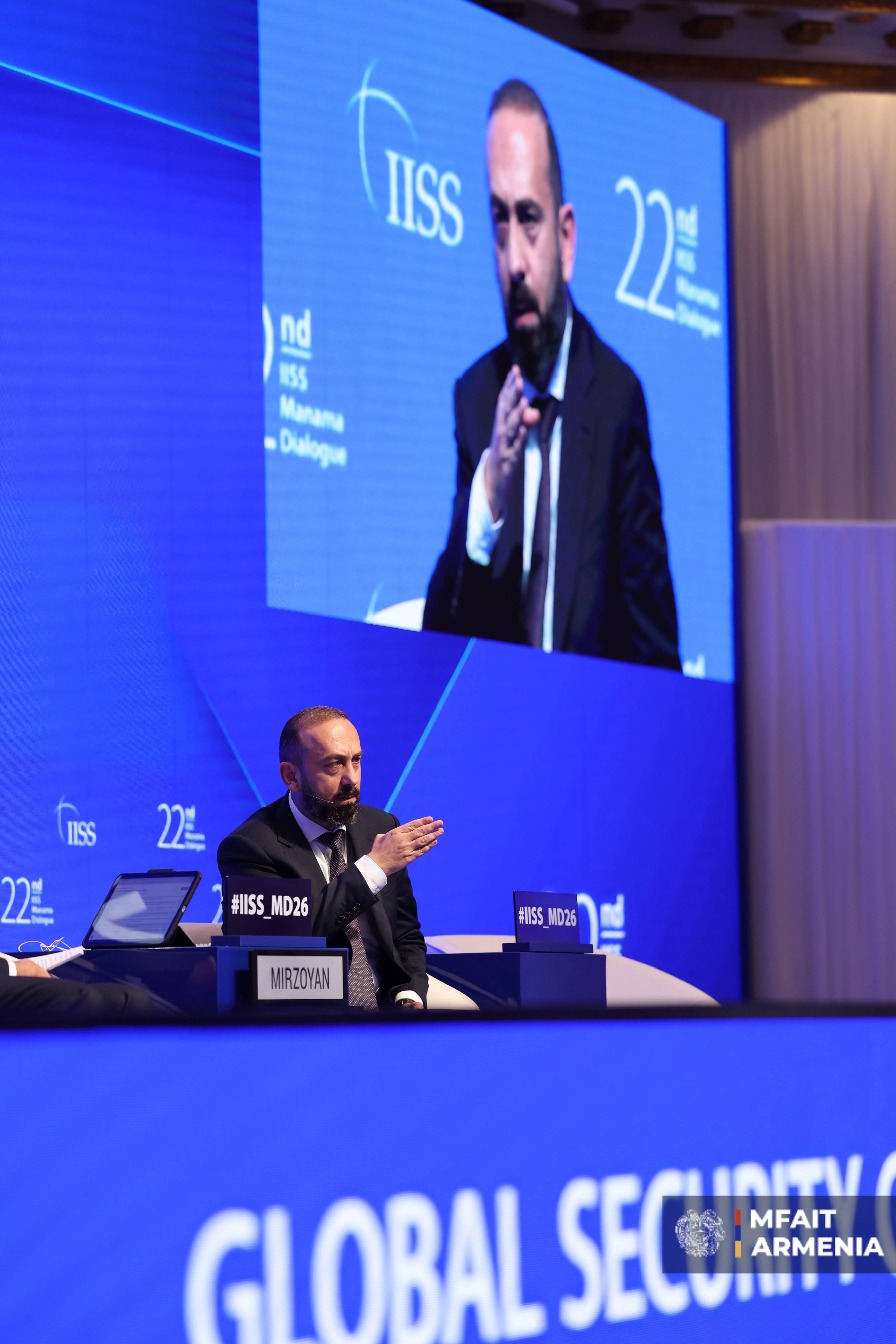
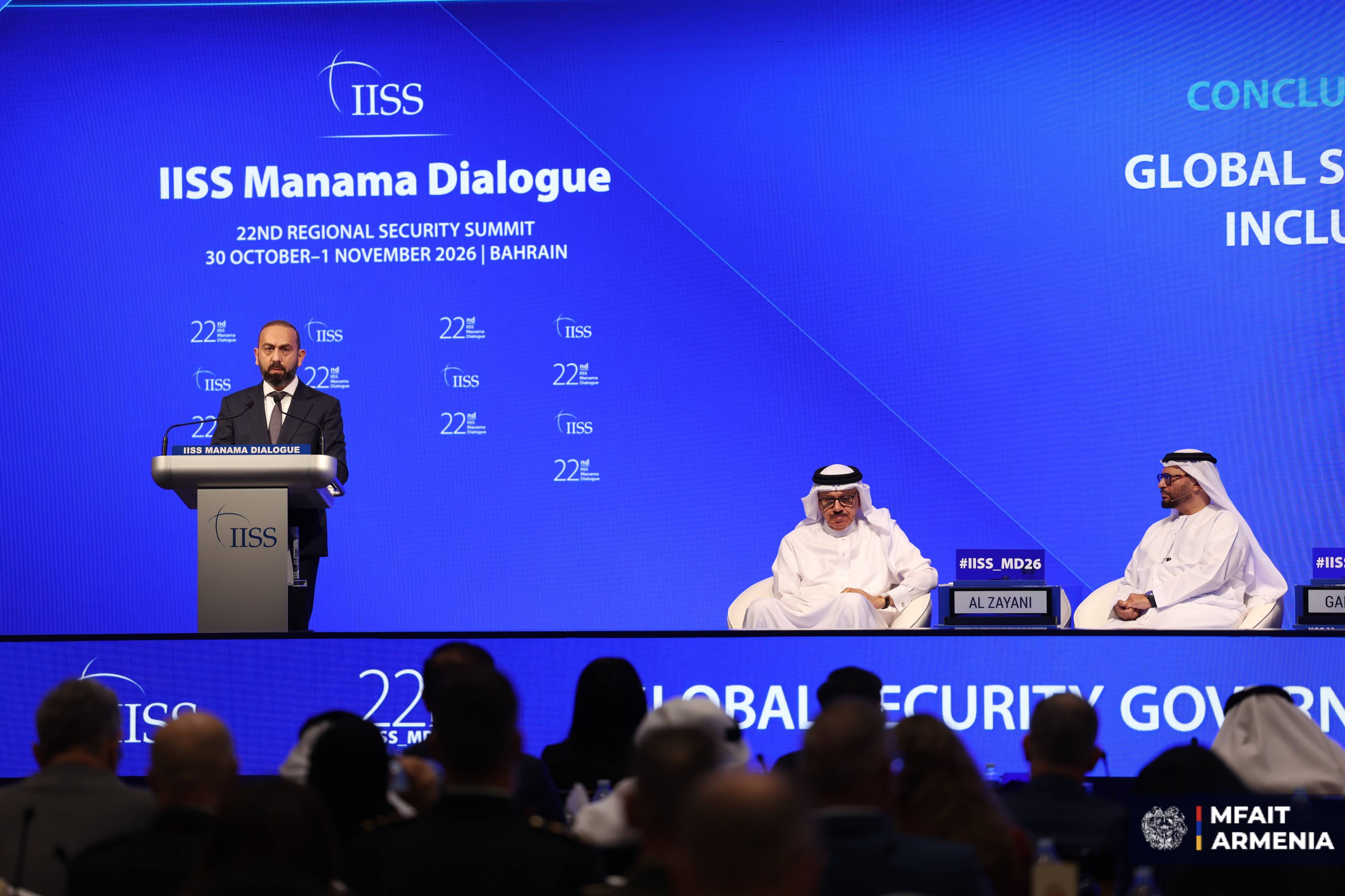
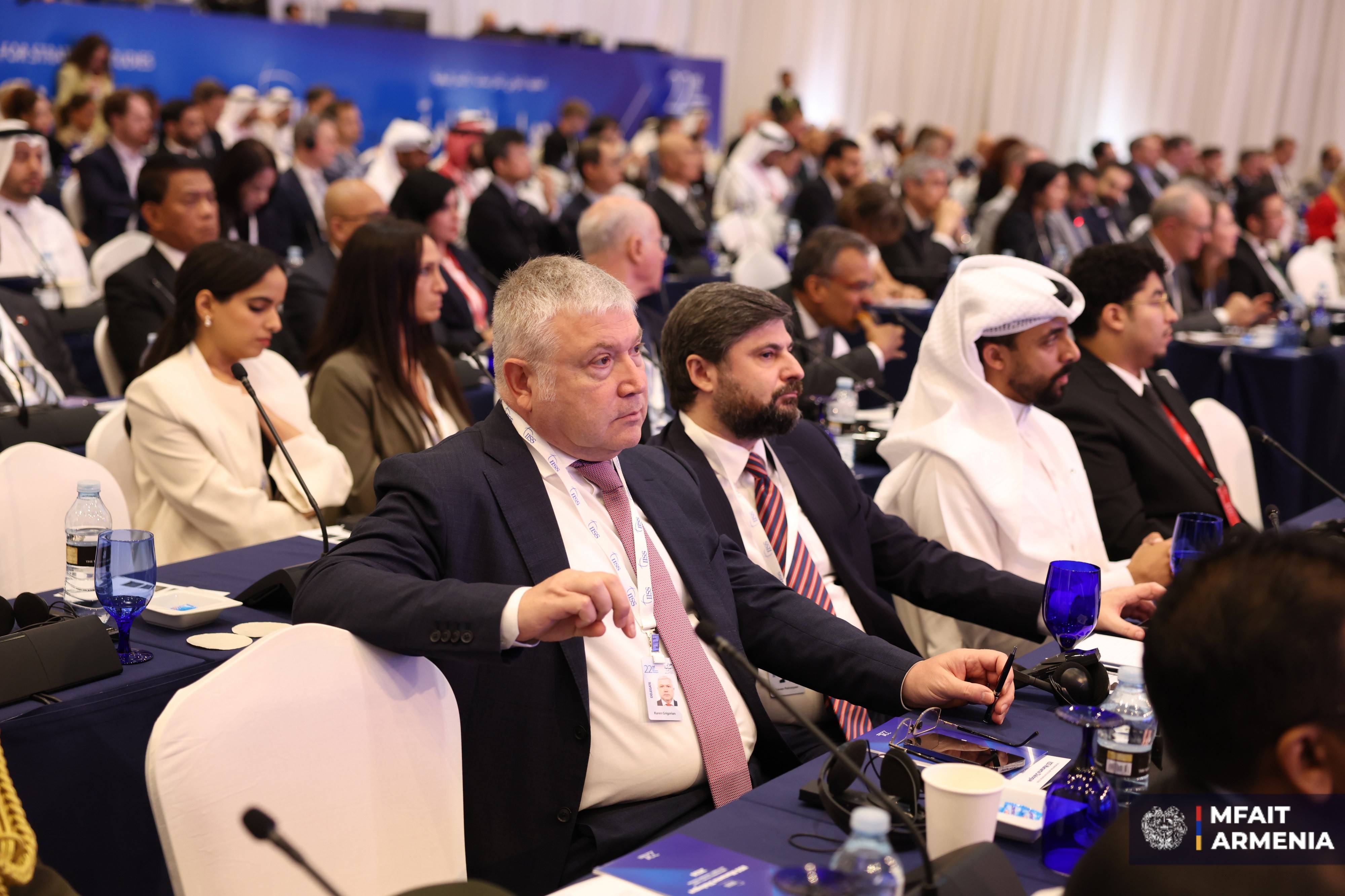
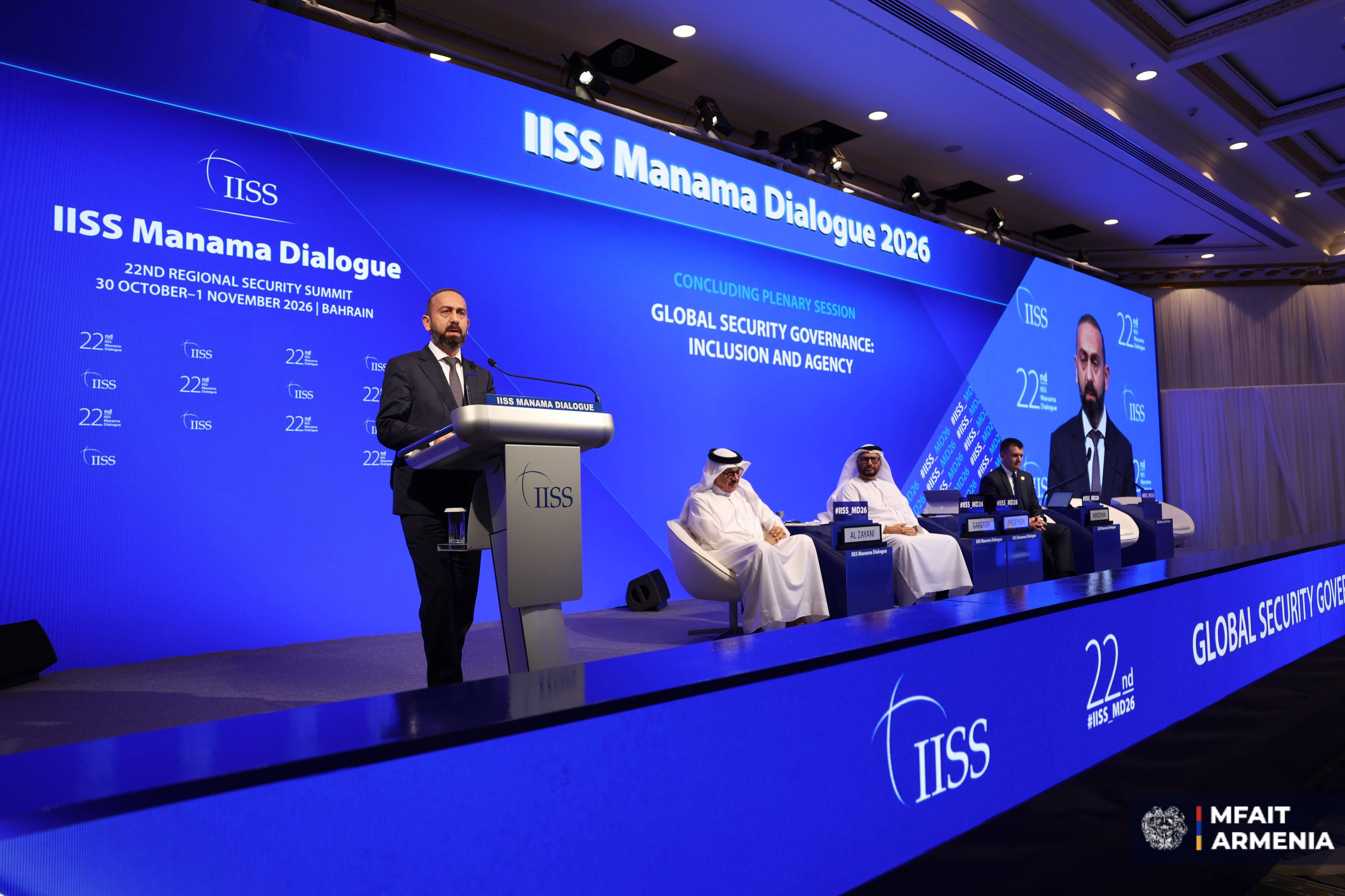
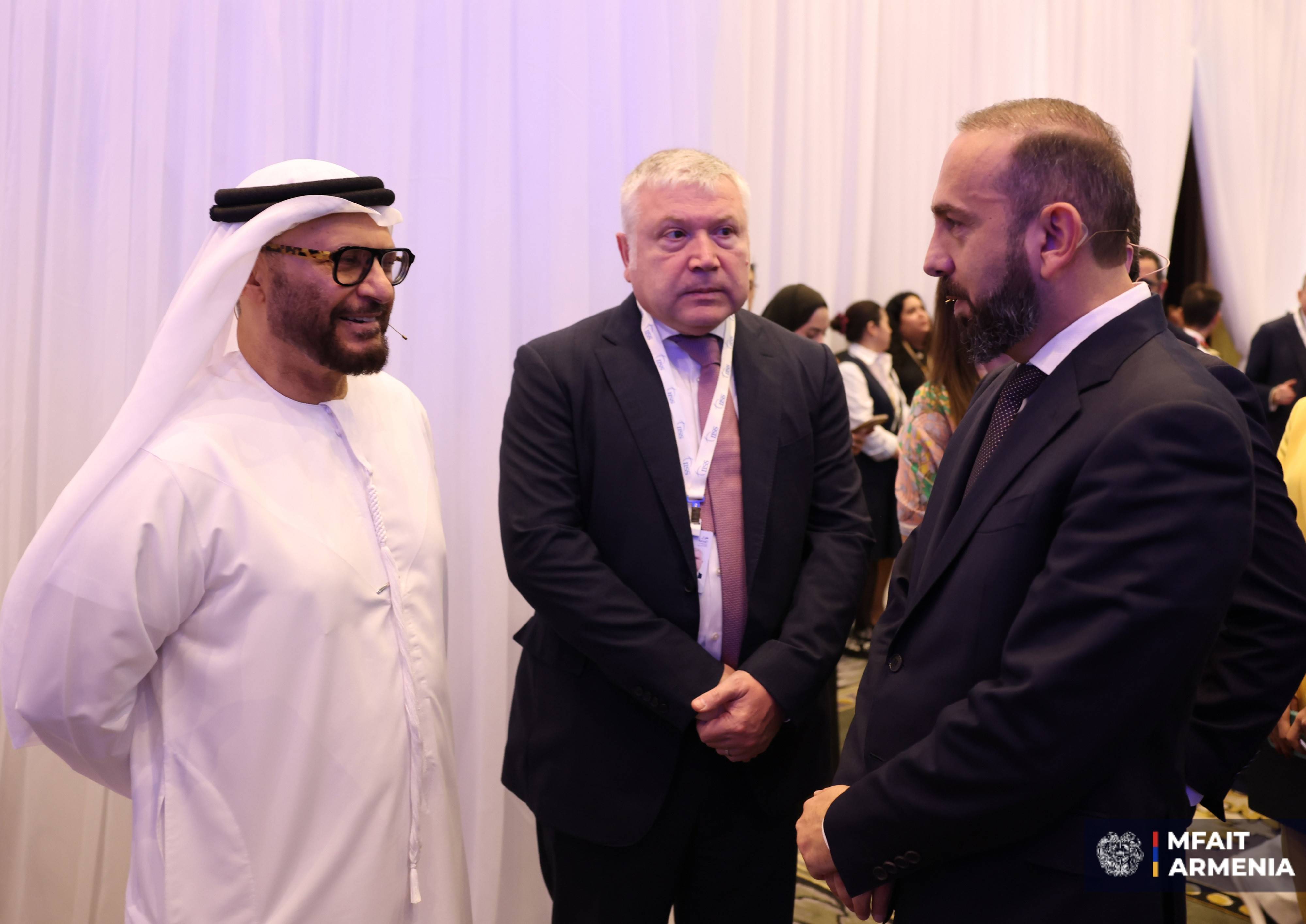
On November 1, Minister of Foreign Affairs and International Trade of Armenia Ararat Mirzoyan delivered remarks at the closing plenary session of the Manama Dialogue, entitled “Global Security Governance: Inclusion and Agency.”
The panel discussion also featured remarks by Abdullatif bin Rashid Al Zayani, Minister of Foreign Affairs of the Kingdom of Bahrain, and Anwar Gargash, Diplomatic Adviser to the President of the United Arab Emirates.
The full text of Minister Mirzoyan’s remarks is presented below:
“Distinguished Ministers,
Excellencies,
Dear Colleagues,
Ladies and Gentlemen,
It is a great pleasure and an honor to address this distinguished audience at the closing session of this year’s Manama Dialogue.
As reflected in the theme of this panel, countries are often categorized as major or smaller powers, primarily on the basis of their territorial size, population, or economic capacity. However, I would suggest that there is another, equally important measure.
Here I have two points:
Firstly, the role a country chooses to play in its neighborhood and in the international arena. Regardless of its resources, every state has the capacity to contribute to cooperation or to deepen divisions, to serve as a bridge between nations or as a source of further fragmentation. Ultimately, this is not merely a matter of circumstances, but also a matter of political choice.
Certainly, such choices are never made in isolation or independently of historical and geopolitical realities. They are shaped by a complex interplay of factors, including the wounds of the past, longstanding disagreements, conflicts that have been resolved and those that remain unsettled, as well as political, economic, and security constraints.
Yet, the fundamental question remains which considerations should ultimately guide our decisions and define our course of action? For Armenia, the answer is unequivocal. Our choices are guided by a firm commitment to peace, a determination to advance cooperation, and a shared responsibility to build a more secure and prosperous future.
We fully recognize that building peace is neither a simple nor an automatic process, and it cannot take place in isolation from existing challenges. Nevertheless, peace is, above all, a deliberate and strategic choice. It requires sustained political will, responsible leadership, and the determination to guide our societies and future generations toward an environment characterized by mutual trust, cooperation, and prosperity, rather than allowing the divisions and uncertainties of the past to determine our future.
Armenia has made its strategic choice. We firmly believe that lasting peace, strengthened regional cooperation, and greater interconnectedness constitute the foundation of a more stable, secure, and prosperous future for our region.
In this context, the Washington Peace Summit of August 8, 2025, marked a historic milestone in advancing peace between Armenia and Azerbaijan. The Prime Minister of Armenia, the President of Azerbaijan and U.S. President, as a witness, signed a Joint Declaration, while me and my Azerbaijani counterpart initialed the Agreement on Establishment of Peace and Inter-State Relations between the two countries. This important achievement opened a new chapter and created opportunities to transform the South Caucasus from a region marked by confrontation into a space of dialogue, cooperation, and possible shared prosperity.
Thus, the experience of the South Caucasus illustrates not only the costs of prolonged confrontation, but also the possibilities that diplomacy can create.
However, political commitment must be accompanied by concrete actions and tangible results. To translate the principles of cooperation into sustainable security and stability, we must ensure that our initiatives generate mutual benefits, not only for the countries of our immediate region but also for partners beyond it. Connectivity that creates opportunities and shared benefits for all genuinely interested stakeholders generates common interests and strengthens the collective commitment to preserving peace and stability.
It is precisely this approach that underpins Armenia's Crossroads of Peace initiative, an inclusive vision that is particularly relevant at a time when countries across the world are seeking to diversify transport routes, strengthen connectivity, and explore new logistical opportunities. In this context, the TRIPP project with its railway, electricity, fiber optic, oil and gas infrastructure to be implemented on the territory of Armenia, is expected to play a significant role in strengthening connectivity not only between Armenia and Azerbaijan, or the close neighborhood, but between East and West and North and South, creating new opportunities for regional and interregional trade, and contributing to the diversification and resilience of international supply chains.
And here the second point is how resilient and enduring a statehood is. Armenia is pursuing a comprehensive approach aimed at strengthening its resilience and adaptability in an increasingly complex international environment. This entails deepening and diversifying our international partnerships, expanding economic opportunities and enhancing our economic resilience through diversification.
S&P notes that Armenia's average growth in 2022–2025 was 7.8%, among the highest of the 143 countries it rates. Economic activity grew 8% year-on-year in the first five months of 2026, beating forecasts. 2026 January–July economic activity index is up 7.7% year-on-year, with July alone up 17%.
In this regard, I would particularly emphasize the importance Armenia attaches to further developing its relations with the countries of the Gulf, including through the expansion of trade, the promotion of mutual investments, and the identification of new areas of mutually beneficial cooperation.
As I approach the conclusion of my remarks, allow me to draw a parallel with an initiative of our own - the Yerevan Dialogue, the international forum hosted by Armenia to foster open and constructive exchanges on pressing regional and global challenges. In May 2025, we convened under the theme "Navigating the Unknown," reflecting the profound uncertainty that characterized the international environment - a reality that, I believe, resonated with many of us. This year, in 2026, we chose the theme "Riding Through the Storms," acknowledging the growing complexity of geopolitical developments and the challenges confronting the international community. As we prepare for the next edition of the Yerevan Dialogue, scheduled for May 2027, I would like to take this opportunity to warmly invite you to join us in Yerevan. It is my sincere hope that, by then, we will witness greater stability and predictability in the Middle East, with renewed prospects for dialogue and lasting peace.
The storms are real. But so is our choice. We can let them drive us apart, or we can choose to ride through them together, creating stronger bonds and functioning crossroads.
Dear friends,
To conclude, and to return to the central question of this session: if the voices of smaller states are to be heard and respected, it is essential not only that multilateral mechanisms and rules function effectively, but equally that each state defines a clear role and vision for itself, creates mutually beneficial bonds and interconnectedness, and, finally, tirelessly pursues that goal.
Thank you.”