

Remarks by the Deputy Foreign Minister of Armenia at the 2nd Ministerial Conference on Peacekeeping in Francophone Environments
20 May, 2026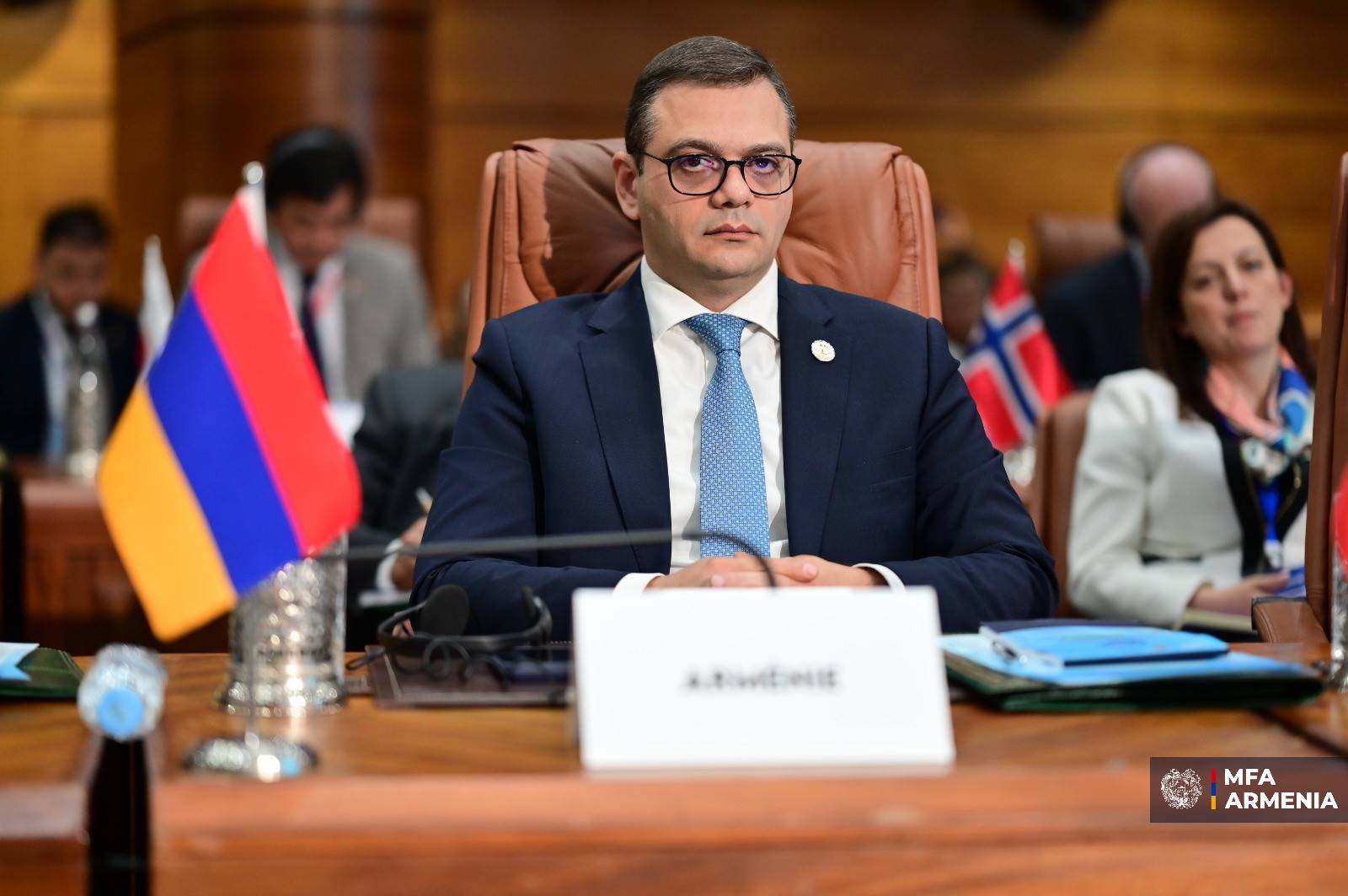
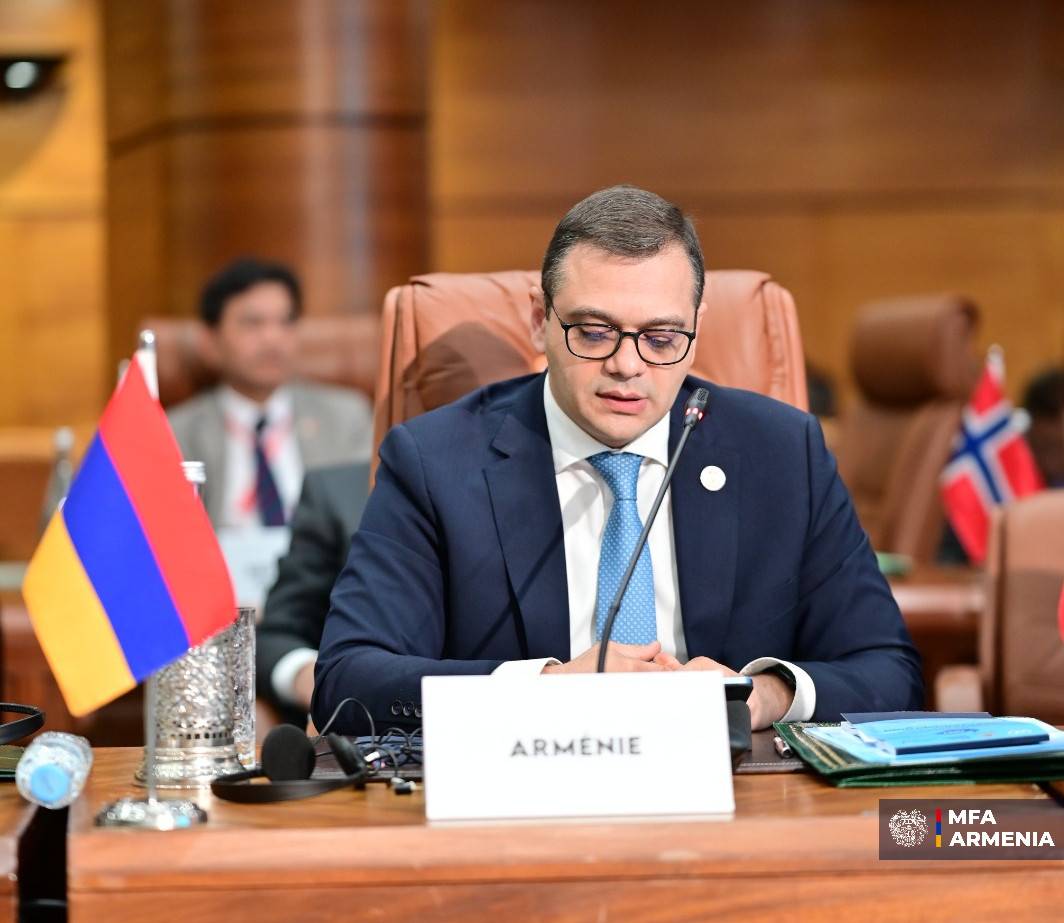
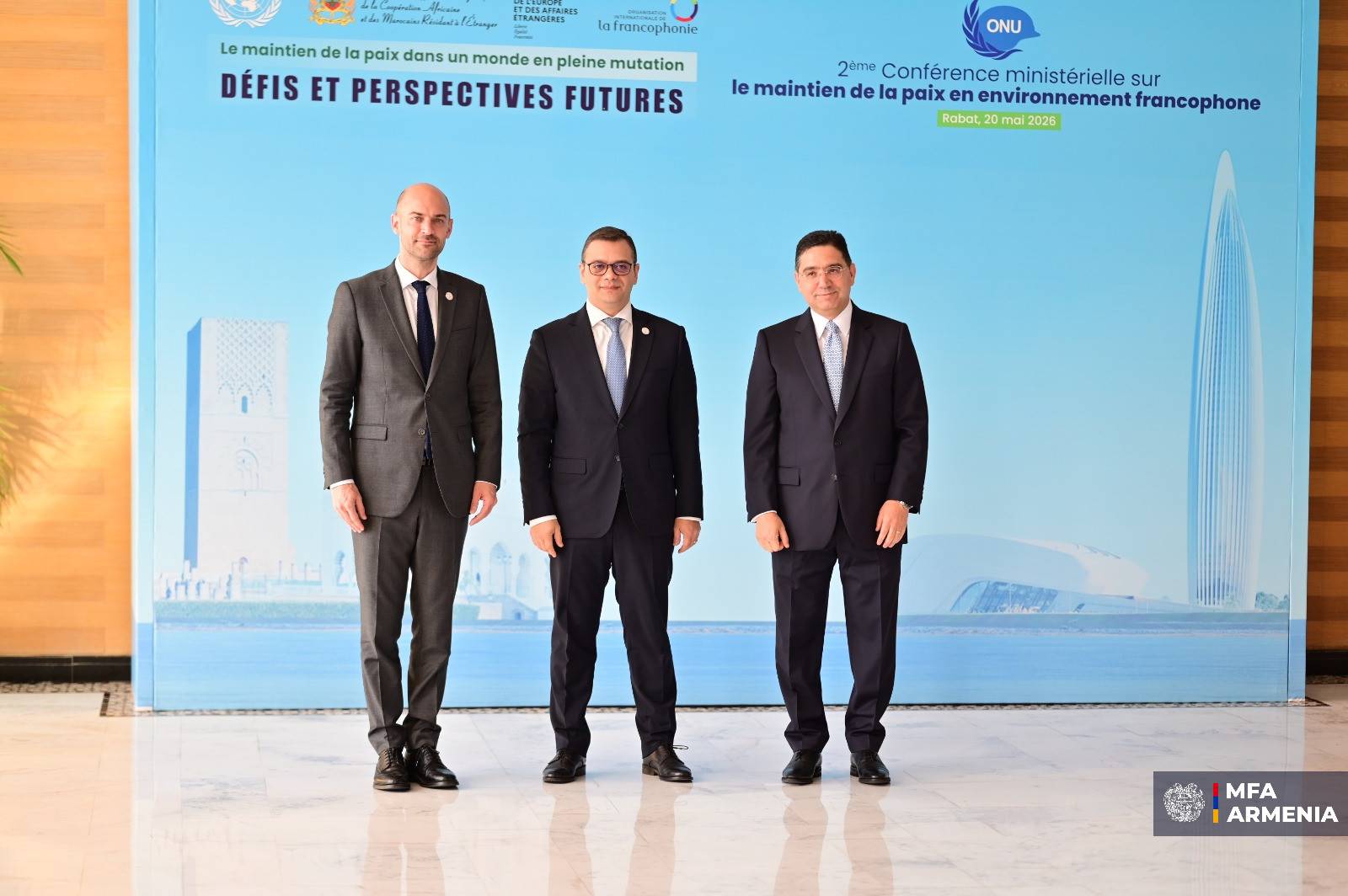
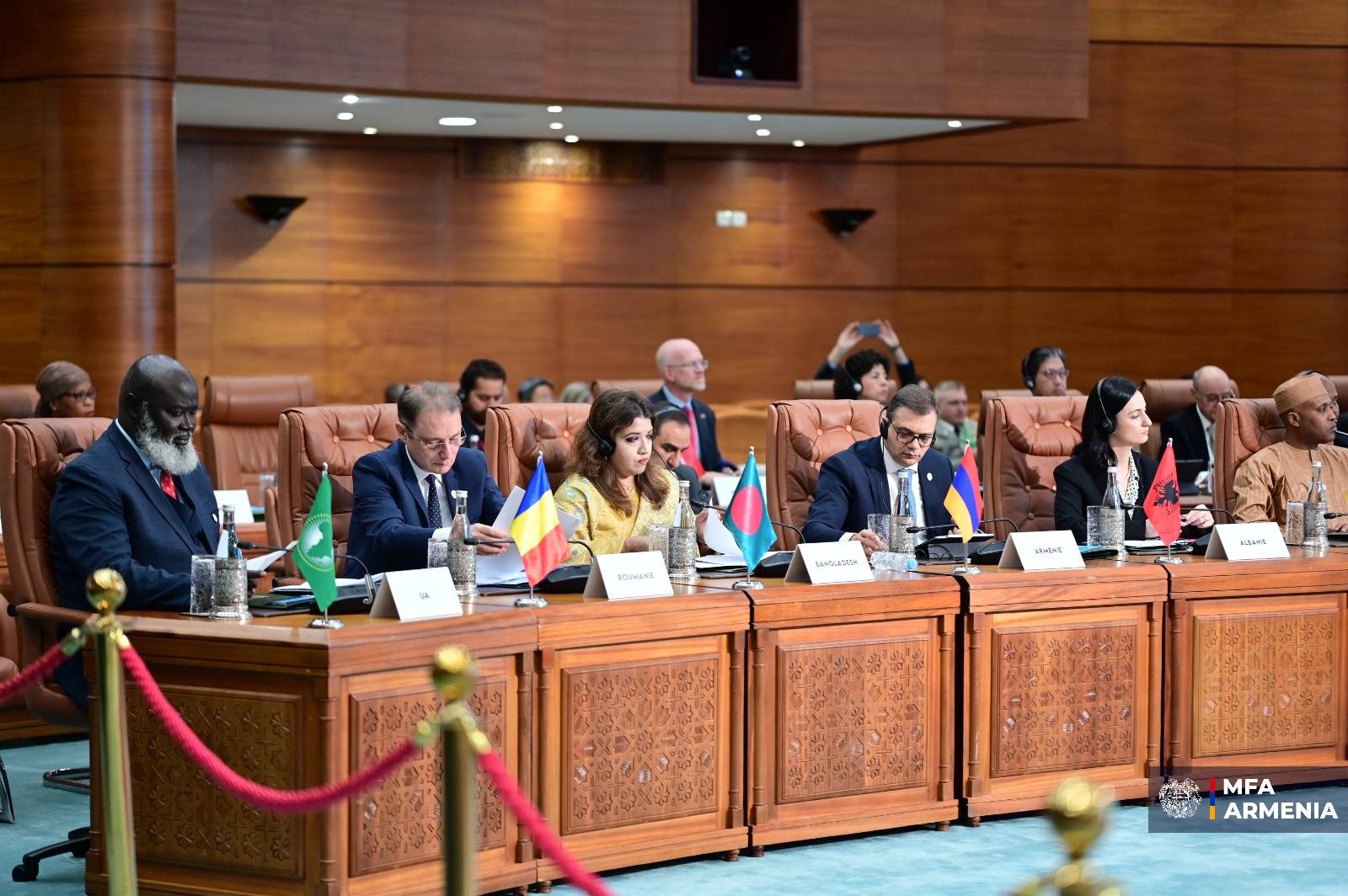
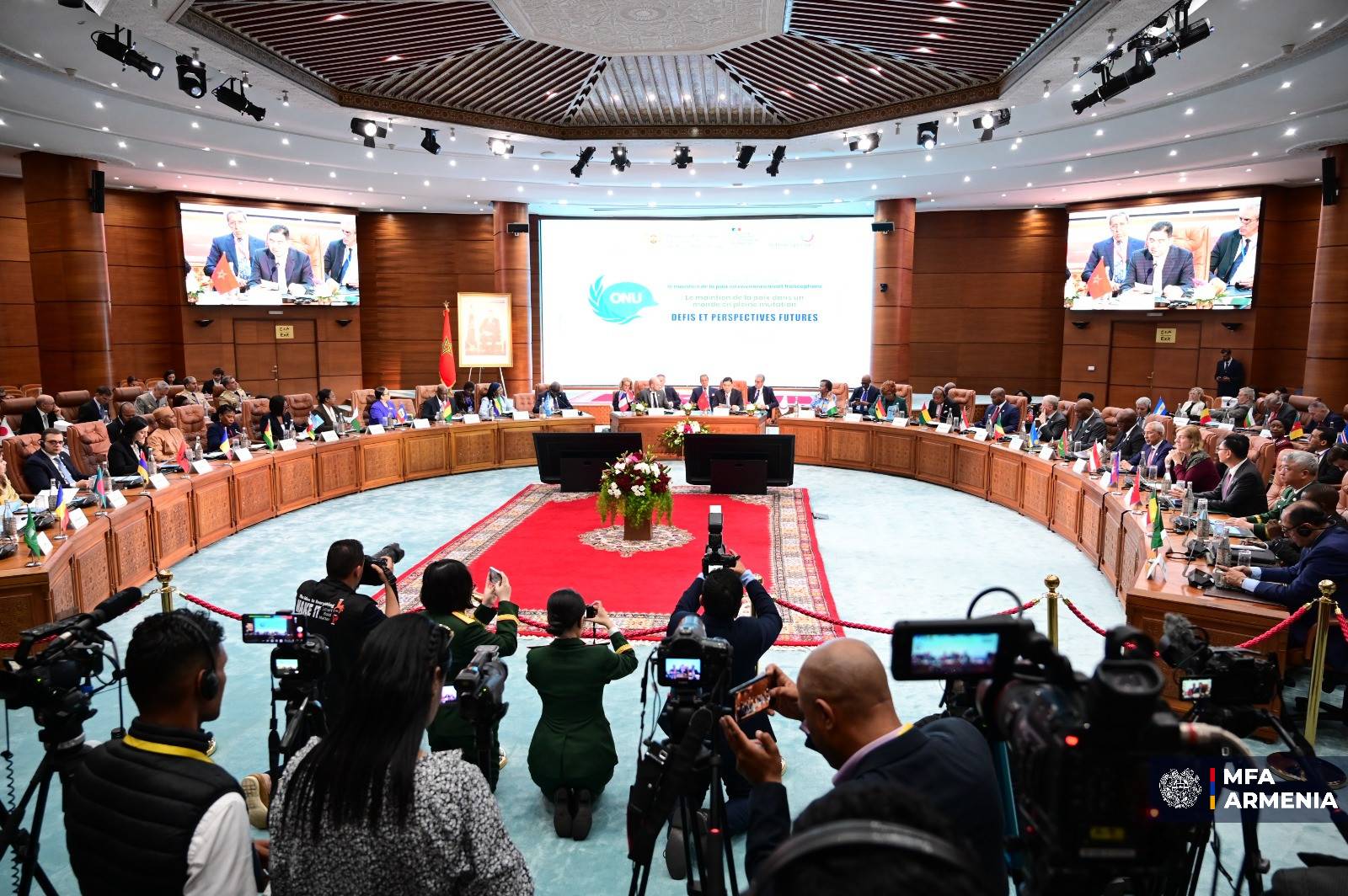
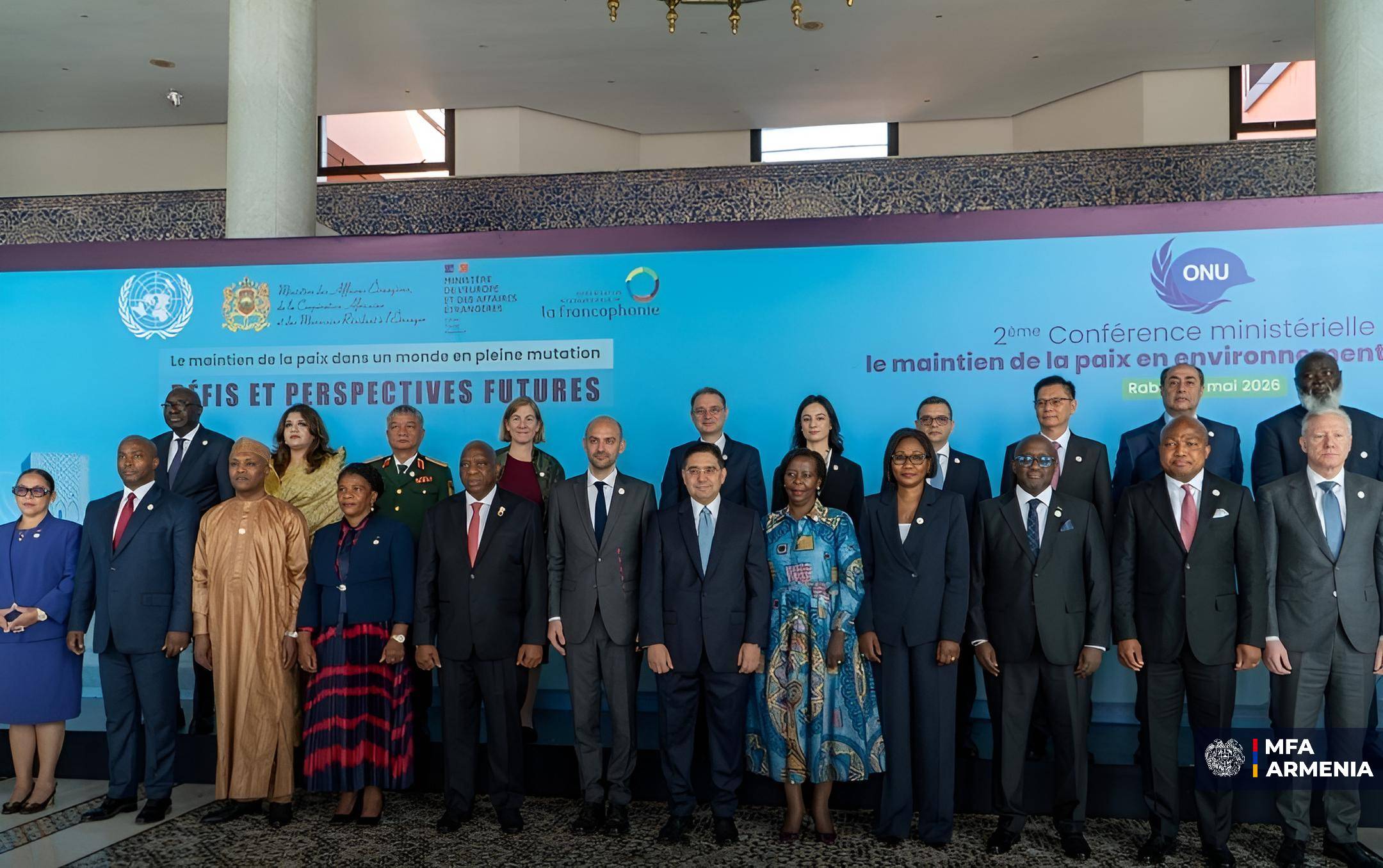
On May 20, Deputy Foreign Minister of Armenia Robert Abisoghomonyan participated and delivered remarks at the 2nd Ministerial Conference on Peacekeeping in Francophone Environments, convened in Rabat, Morocco. The Conference was co-chaired by Morocco and France, in cooperation with the UN and La Francophonie.
Remarks by the Deputy Foreign Minister of Armenia Robert Abisoghomonyan follows below:
“Ministers,
Excellences.
Distinguished colleagues,
At the outset I would like to extend my profound gratitude to our Moroccan hosts for their traditional generous hospitality and for the excellent organization of the Second Ministerial Conference on Peacekeeping in the Francophone Environment. I would also like to thank France for co-chairing the meeting.
At a time when international law is increasingly challenged and the UN system faces growing difficulties, peacekeeping remains one of the strongest demonstrations of the continued relevance of multilateral cooperation for maintaining international peace and security. Although peacekeeping operations have not always delivered the expected results in every context, they continue to play an essential role in preventing escalation, protecting civilians and supporting stability in fragile environments. Over the past decades, the nature of conflicts has profoundly changed, creating new challenges for peacekeeping operations. Today’s conflicts are increasingly fragmented and unpredictable, while peacekeeping missions operate in environments marked by disinformation campaigns, attacks against peacekeepers and declining trust toward international presence. These developments complicate the implementation of mandates and require constant adaptation.
Peacekeepers are expected not only to maintain security but also to protect civilians, build trust with local communities and respond to evolving threats. Traditional approaches alone are no longer sufficient. These multidimensional challenges require a more adaptive approach to the design, mandating and training of peacekeeping operations. Moreover, effective engagement with local populations requires linguistic and cultural preparedness, particularly in francophone environments where communication, trust and local legitimacy are closely interconnected. In this regard, greater flexibility and more adaptive approaches are required. To this end the Pact for the Future and the reform initiatives undertaken by the United Nations, including the UN80 initiative, provide an important framework for strengthening the effectiveness and credibility of peacekeeping operations.
No country or institution can respond to these challenges alone. The cornerstone of our collective response must therefore remain genuine partnership - partnerships between the United Nations, international Organization of La Francophonie, regional organizations, troop-contributing countries, training institutions and civil society.
Dear colleagues,
For Armenia, these discussions are not abstract. As a country contributing to international peace operations, we attach particular importance to effective and credible peacekeeping efforts. Armenia remains firmly committed to supporting international peace and security efforts under multilateral frameworks. Armenian peacekeepers have participated in missions in Lebanon, Kosovo, Mali, Afghanistan and Iraq, contributing to international efforts aimed at maintaining stability and protecting civilian populations. Armenia’s participation in these missions reflects our continued commitment to the purposes and principles of the United Nations Charter and to international peace and security.
As part of the United Nations Multidimensional Integrated Stabilization Mission in Mali (MINUSMA-2015-2023), Armenia contributed to efforts aimed at protecting civilians and supporting stabilization in an increasingly complex security environment
Armenia also contributes to the NATO-led mission in Kosovo (KFOR), which continues to play an important role in preserving stability in the Western Balkans. In response to heightened regional tensions in 2023, Armenia further reinforced its contribution to KFOR, reaffirming its commitment to regional stability.
As a troop-contributing country to the United Nations Interim Force in Lebanon (UNIFIL), Armenia remains deeply concerned by the continued deterioration of the security situation in Lebanon and strongly condemns attacks against UN peacekeepers. Despite increasingly difficult conditions on the ground, Armenian peacekeepers continue serving alongside their international partners in support of regional stability and the implementation of the mission’s mandate.
Excellences,
From our own experience, we fully realize the importance of effective and credible peacekeeping efforts. As a responsible member of the international community, Armenia remains determined to continue contributing to international peace operations and peacebuilding initiatives. We are firmly convinced that peacekeeping today requires not only operational readiness, but also political unity, full respect for international law and genuine multilateral cooperation. Preserving the credibility and effectiveness of United Nations peace operations is essential for maintaining confidence in multilateral approaches and international peace efforts. Armenia reaffirms its readiness to continue contributing to these collective efforts.
Thank you.”