

Statement by Foreign Minister of Armenia Ararat Mirzoyan at the side event organized by the Republic of Armenia on the margins of the high-level segment of the 61st session of the HRC
24 February, 2026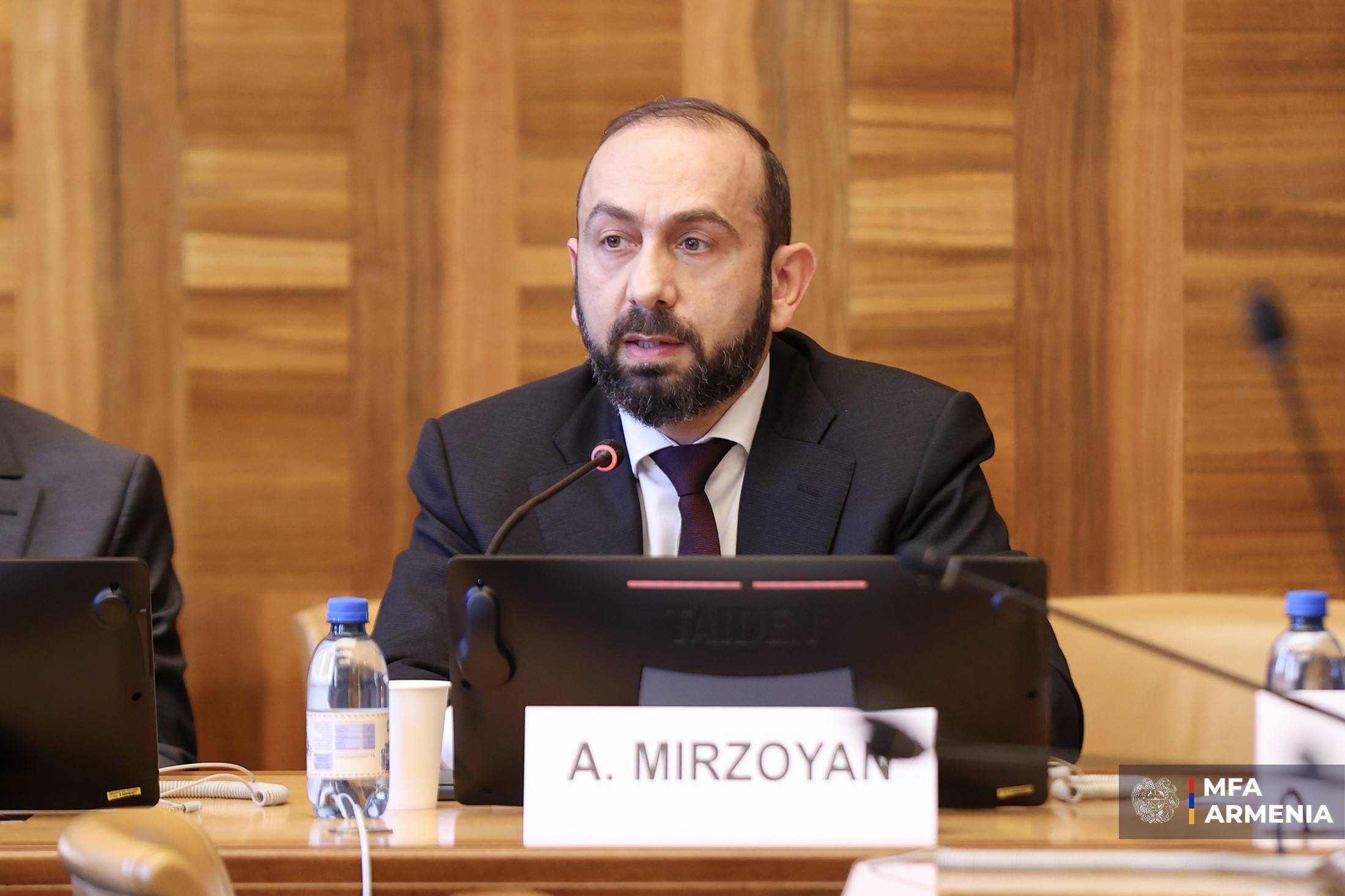
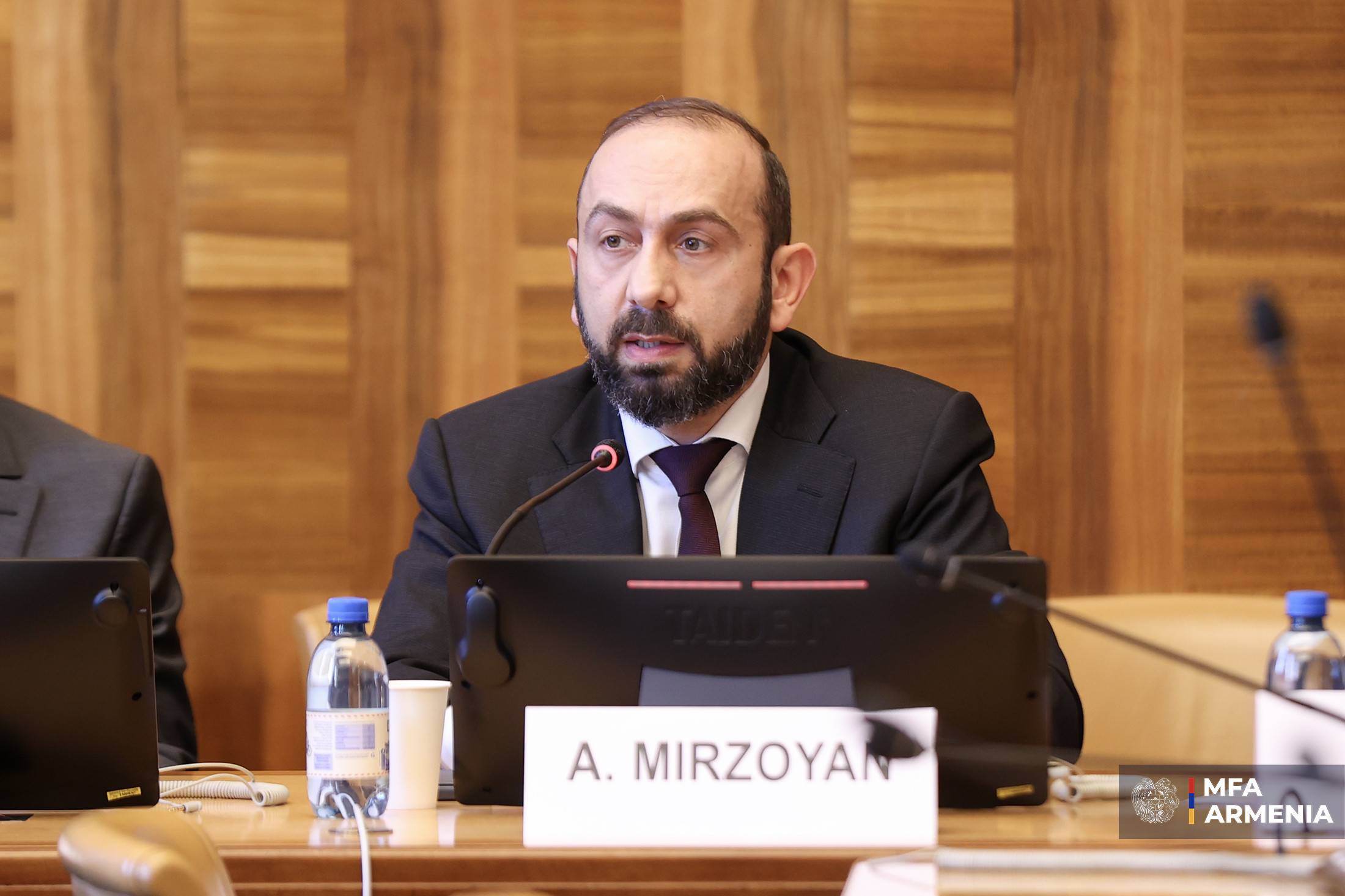
"Excellencies,
Distinguished colleagues,
It is a pleasure to open this panel, jointly organized by Armenia and the Danish Institute for Human Rights. Today’s discussion offers an opportunity to reflect on the place of implementation within the work of the Human Rights Council and on the practical realization of human rights commitments. Implementation and follow-up are what give credibility to our work. They ensure that our commitments translate into concrete policies and measurable progress.
Indeed, this continuity goes beyond technical cooperation. Above all, it signals and reflects political responsibility. At a time when human rights and humanitarian cooperation are increasingly challenged, the significance of such responsibility becomes particularly evident. For Armenia, implementation is part of our broader commitment to democracy, human rights, and the principles enshrined in the United Nations Charter and the Universal Declaration of Human Rights.
Our national experience offers a practical illustration of how these principles take institutional form. In 2024, Armenia established a standing mandate for its National Mechanism for Implementation, Reporting and Follow-up by decree of the Prime Minister. This marked a deliberate transition from fragmented, ad hoc reporting toward a structured and continuous implementation of human rights obligations, strengthening institutional memory, improving inter-agency coordination, and reinforcing good-faith engagement with international mechanisms.
This political choice was further put into practice through innovation. In December 2025, Armenia operationalized a dedicated digital platform to support the work of the national mechanism. The new tool, Armenia’s Institutional Network for Monitoring and Reporting - AI-NEMRA, is a digital platform that brings human rights and technology into practical interaction.
It functions as a centralized repository of recommendations addressed to Armenia by international and regional monitoring mechanisms, including United Nations treaty bodies, special procedures, the Universal Periodic Review, and monitoring bodies of the Council of Europe. By consolidating these recommendations into a clear and searchable framework, the platform enhances coherence, facilitates systematic follow-up, and strengthens Armenia’s engagement within both the global and European human rights systems.
Beyond its technical functions, the platform serves as a practical instrument for coordination and reflection. It enables structured follow-up, facilitates dialogue among institutions, and supports informed policymaking. Its practical application will be further presented during this panel.
Excellencies,
Dear colleagues,
Our efforts are guided by the recognition that progress in human rights is rarely immediate. It requires consistency, openness to dialogue, and sustained political will.
Armenia remains firmly committed to principled cooperation with international human rights mechanisms and with the Office of the United Nations High Commissioner for Human Rights, whose leadership and expertise are indispensable to the integrity of the system. The strength of the United Nations lies in its ability to provide an inclusive space for dialogue among all Member States. Engagement with the Human Rights Council is, therefore, not a procedural formality, but a substantive democratic practice grounded in respect, dialogue, and accountability.
Before concluding, I would like to note that human rights reporting is not only about the timely submission of reports. It is also about the readiness to explain policies, to listen carefully, and, where necessary, to adjust course. Transforming reporting from a periodic requirement into an ongoing conversation about governance and responsibility is, ultimately, what gives substance to commitments and strengthens institutional reliability.
I hope today’s exchange will deepen our understanding of implementation in the context of this evolving practice.
I thank you and wish you fruitful deliberations."