

Key Note Address by Minister of Foreign Affairs and International Trade of the Republic of Armenia at the opening of COP17 Business and Biodiversity Forum
25 October, 2026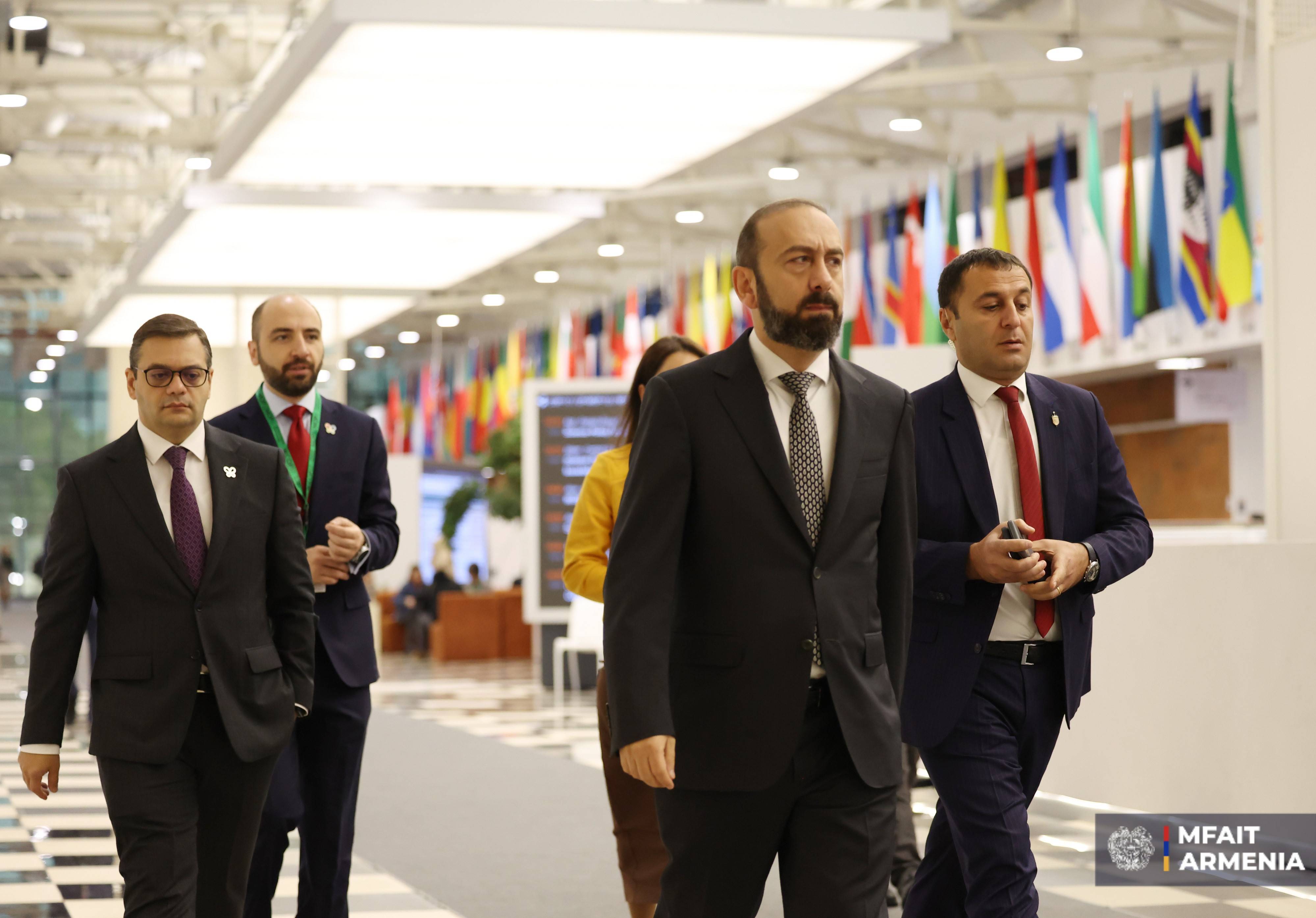
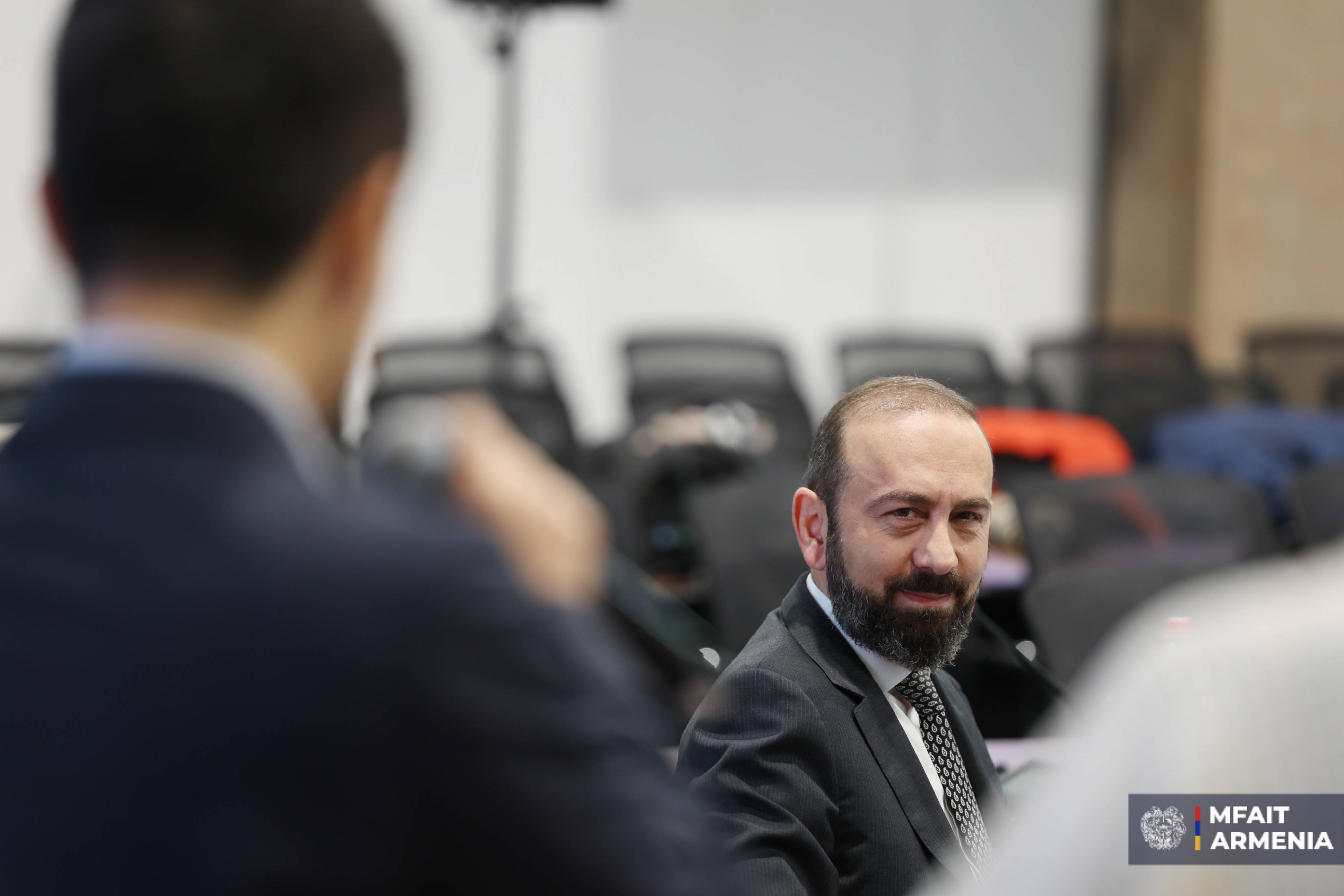
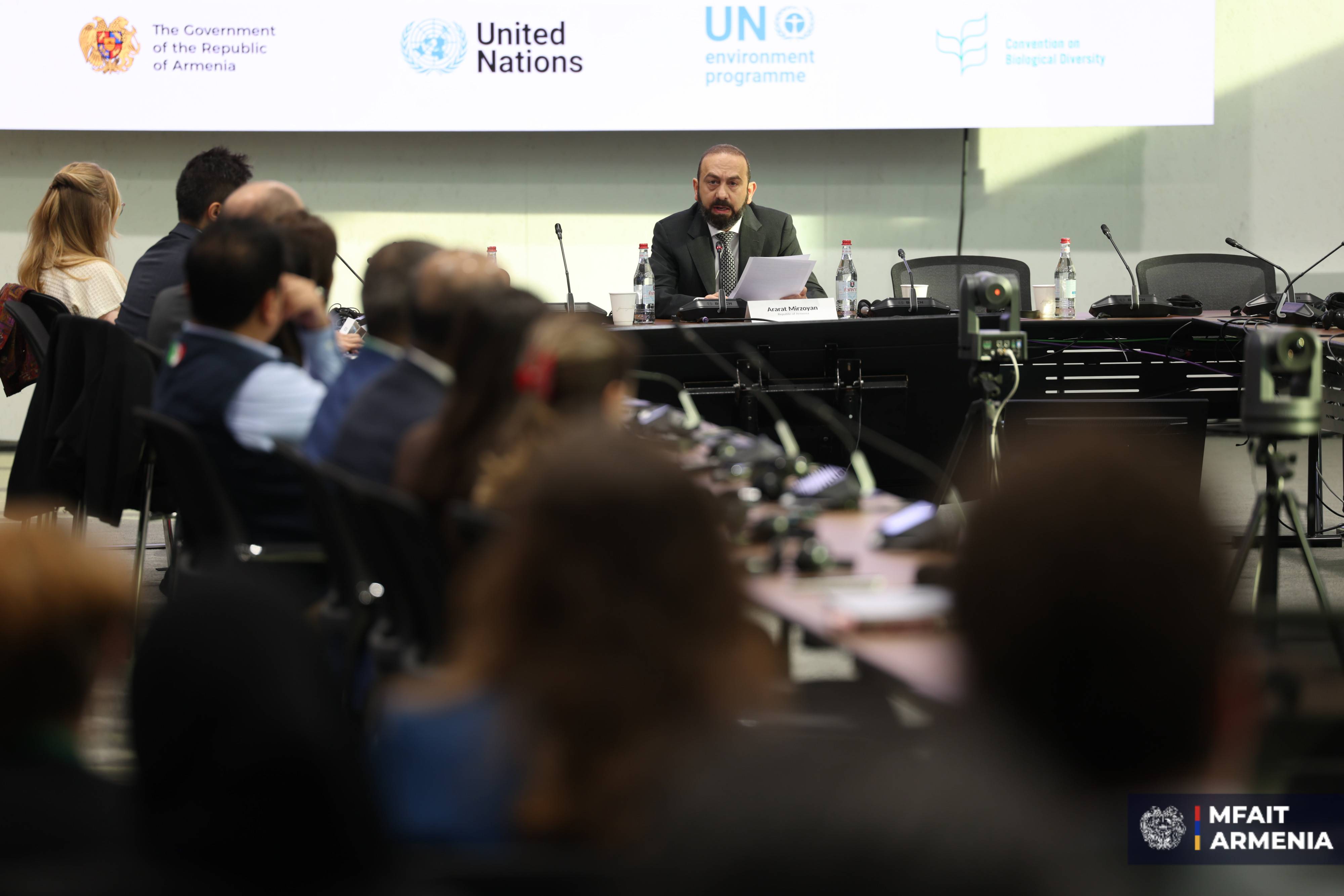
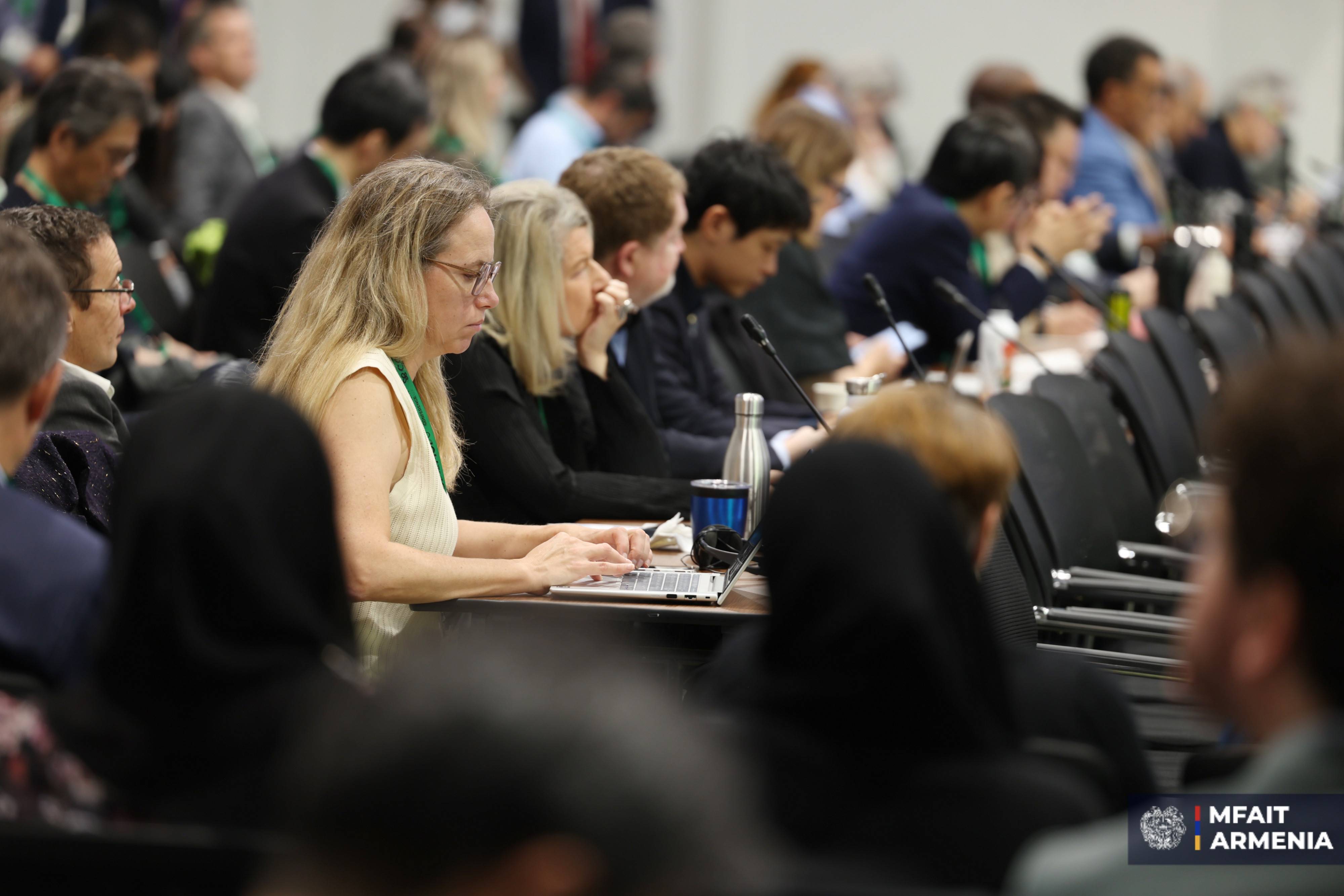
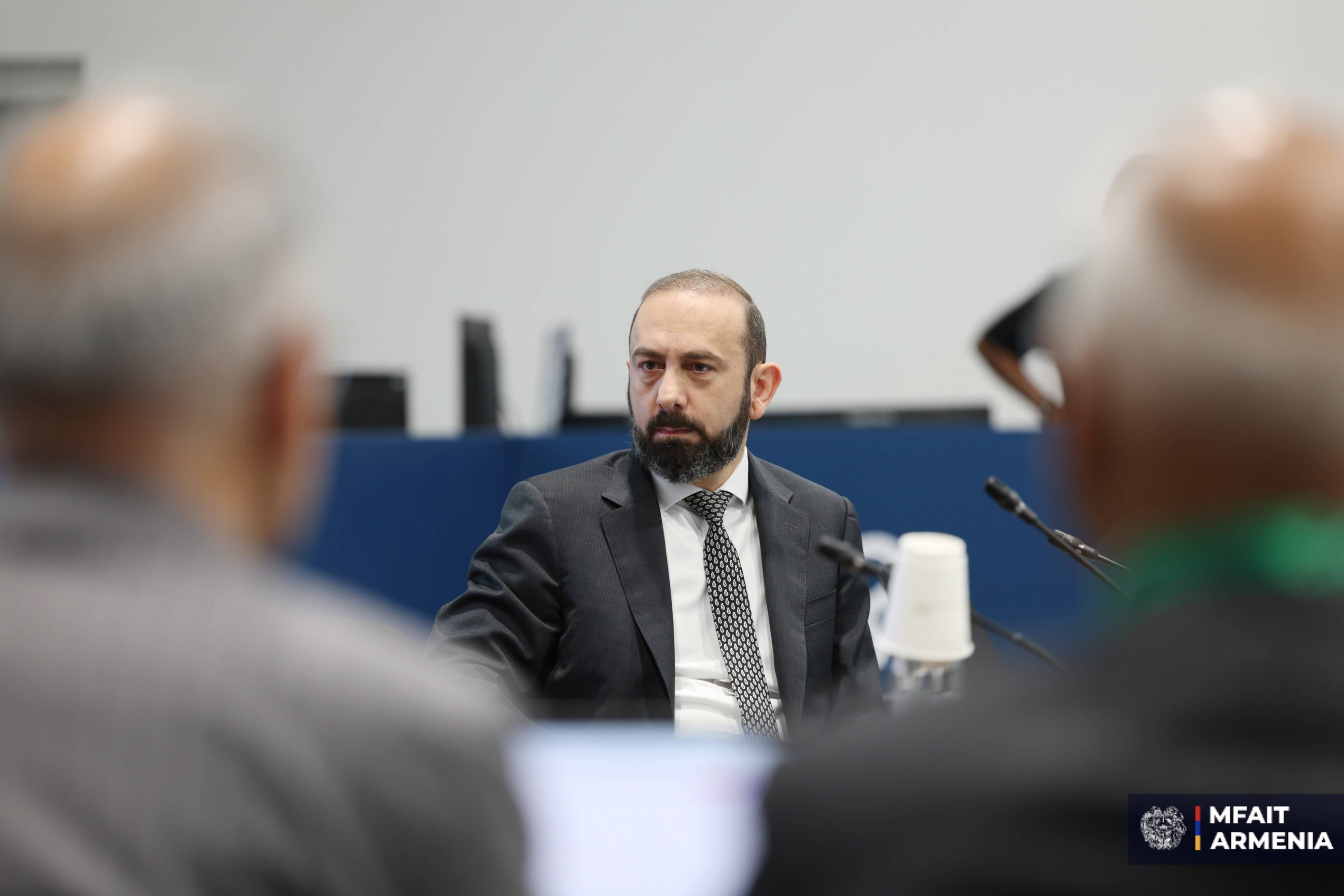
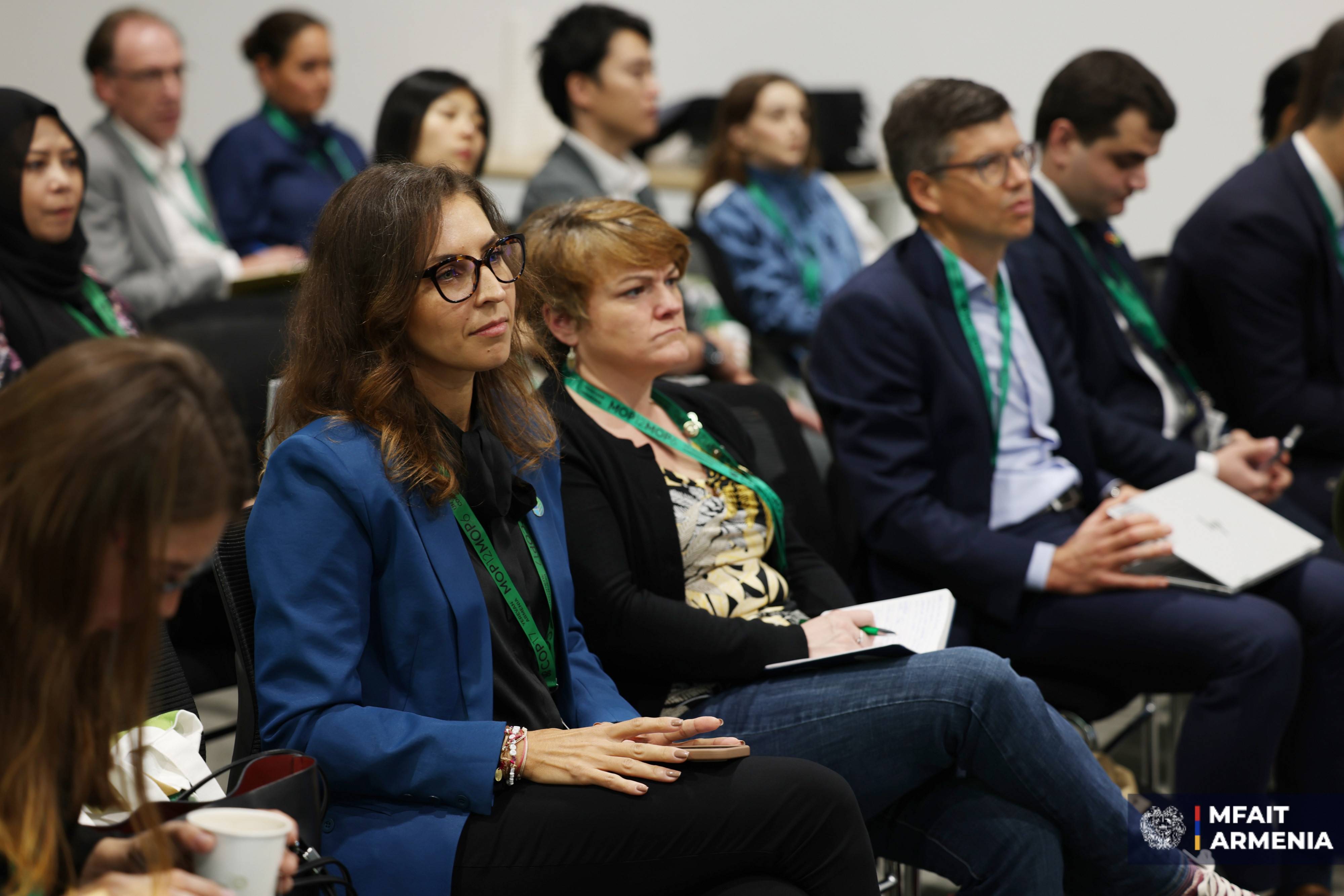
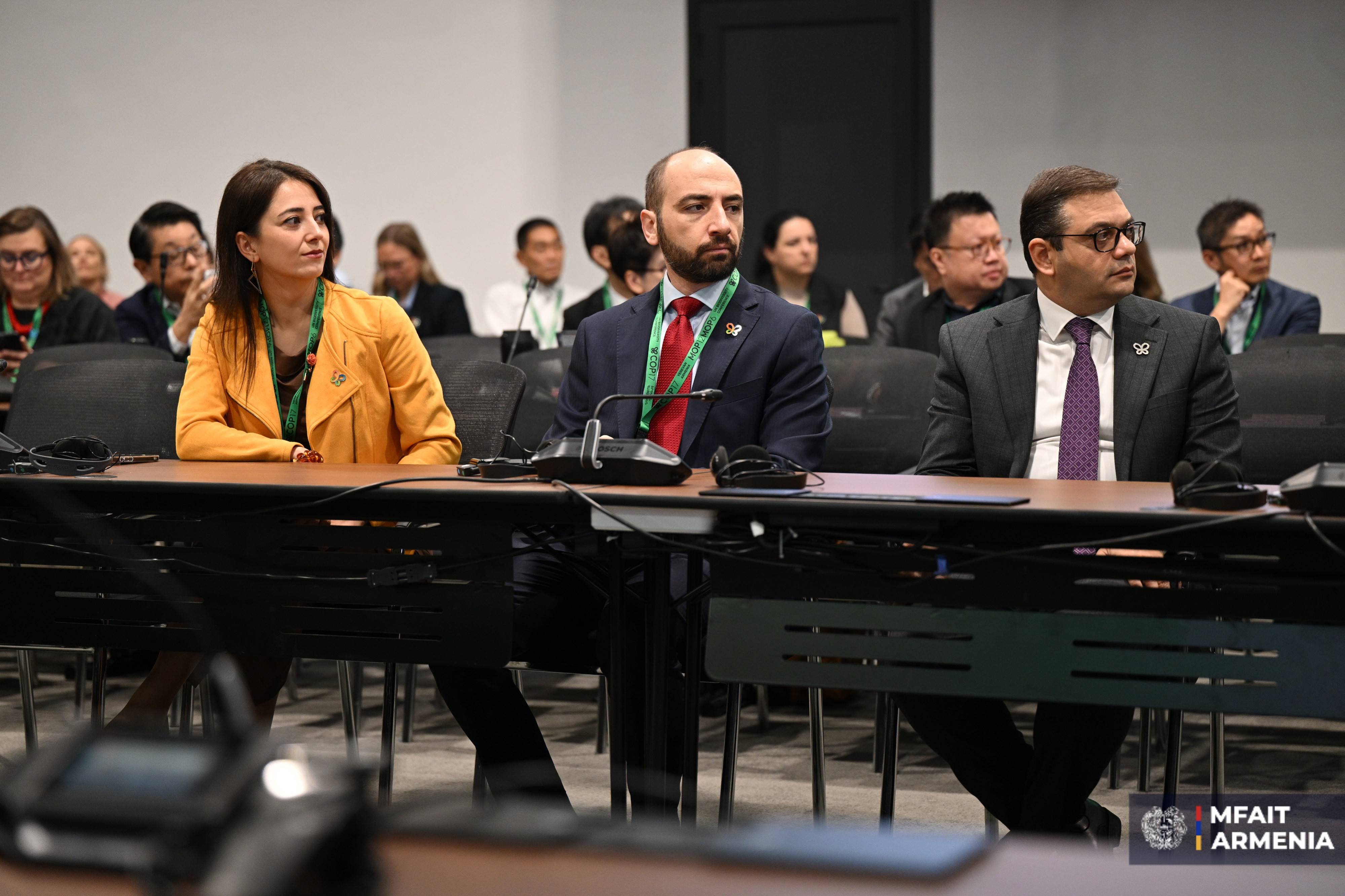
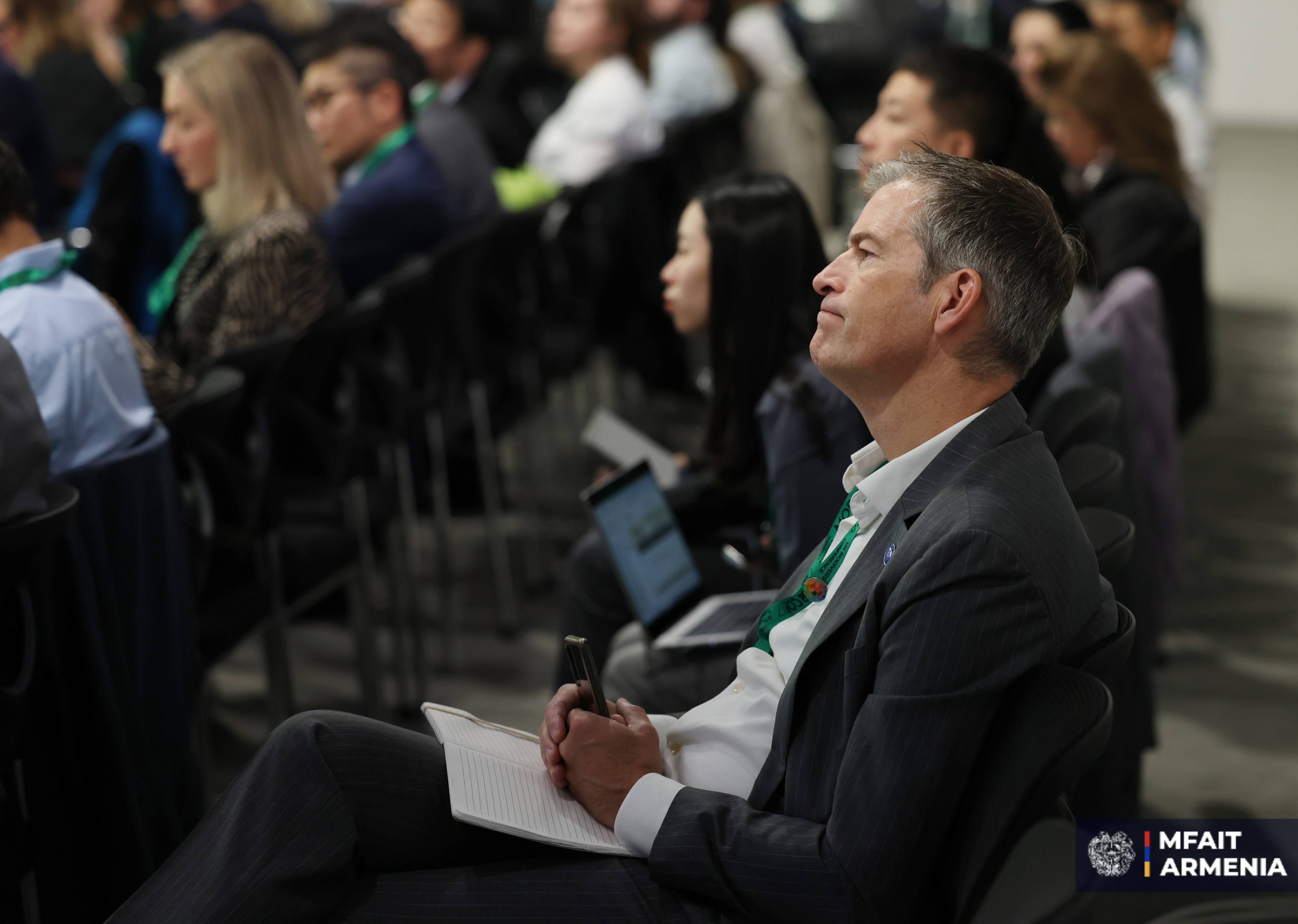
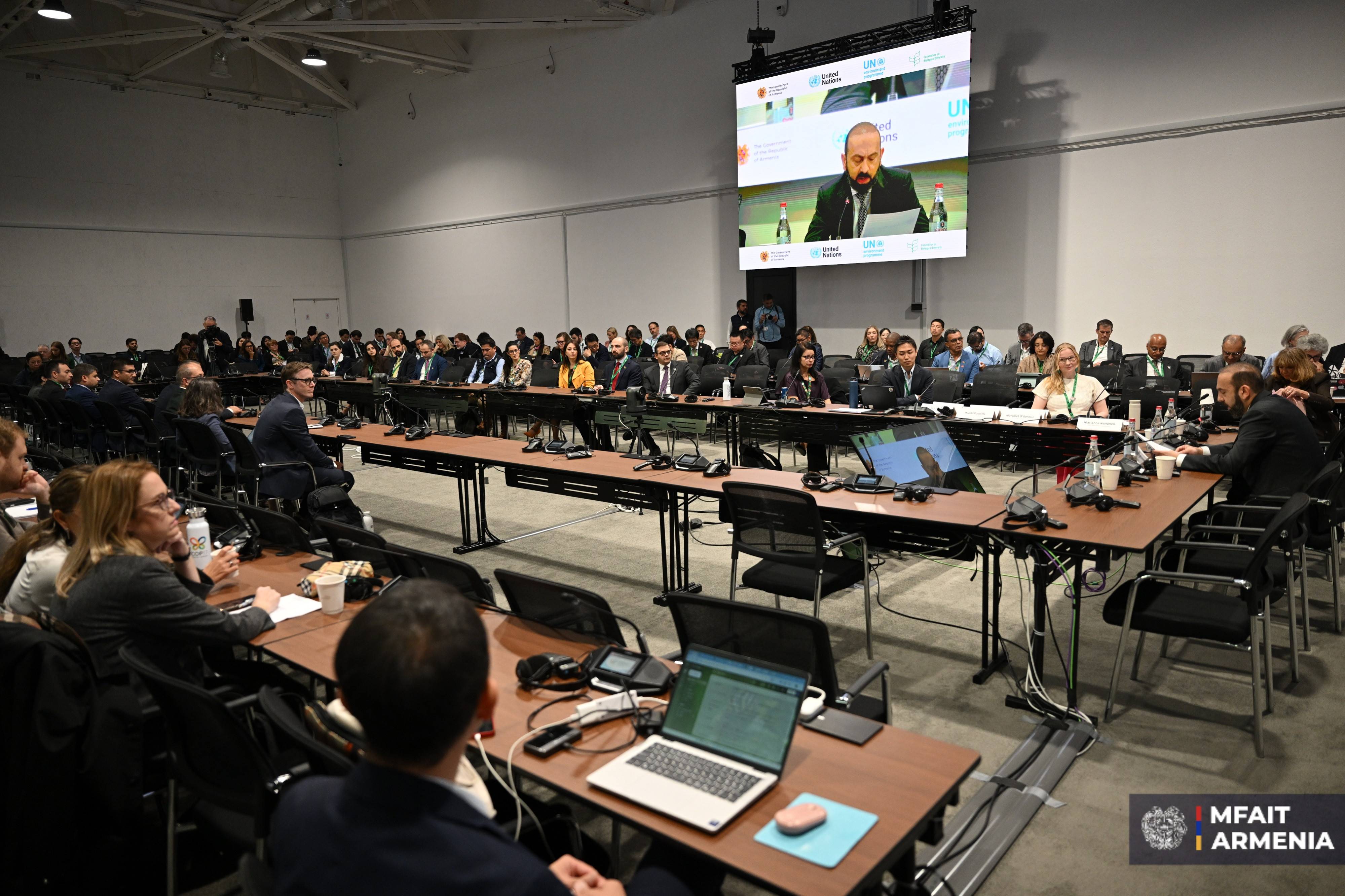
On October 25, on the sidelines of the 17th meeting of the Conference of the Parties to the Convention on Biological Diversity (COP17), Minister of Foreign Affairs and International Trade of Armenia Ararat Mirzoyan participated in and delivered opening remarks at the panel discussion organised under the COP17 Armenian presidency and titled “Business and Biodiversity.”
The full text of Minister Mirzoyan’s remarks is provided below.
“Excellencies,
Distinguished colleagues,
Ladies and gentlemen,
It is a great pleasure to welcome you to Armenia and to the Business and Biodiversity Forum, on the occasion of the seventeenth meeting of the Conference of the Parties to the Convention on Biological Diversity.
We are honored to host this important gathering and bring together governments, business leaders, financial institutions, international organizations and experts to address one of the most pressing challenges of our time: how to reconcile economic development with the protection and restoration of the ecosystems upon which our prosperity and indeed our very survival depend.
Despite growing awareness and important commitments, the biodiversity loss continues, and our collective progress still falls short of what is required to achieve the objectives of the Kunming-Montreal Global Biodiversity Framework.
This brings us to a central point: I believe that business must be an integral part of the answer.
Ladies and gentlemen,
Our region is undergoing a historic and fundamental transformation. With peace taking hold in our region, Armenia spares no effort towards becoming what geography always meant it to be, a crossroads connecting the Black Sea, the Caspian and the Gulf, East and West, North and South, a crossroads of peace. This also supposes diversification of partnerships and trade ties. For us and I believe for many these days, diversification is a strategy of resilience: a country with many partners is a country that cannot be held hostage by any single market.
Consequantly, our economy is changing in what it produces and where it sells. Tourism and technology are particularly expanding, and Armenia is becoming a home for artificial intelligence and innovation projects. Our exports to the European Union and the Gulf are growing, and our new agenda with the EU opens doors that were closed for decades.
S&P notes that Armenia's average growth in 2022–2025 was 7.8%, among the highest of the 143 countries it rates. Economic activity grew 8% year-on-year in the first five months of 2026, beating forecasts. 2026 January–July economic activity index is up 7.7% year-on-year, with July alone up 17%.
At the same time, interconnection with the world is a tool for ensuring external security. This factor allows the country to become such an important part of the global supply chain, economic turnover, that its security and stability become important for many other, including neighboring countries, and vice versa. Economic interconnectedness and mutual benefits become a unique guarantee of sustainability and further institutionalization of the peace.
As we speak about the interconnectedness of business and biodiversity, I would particularly emphasize that international trade can contribute to sustainable development by facilitating the exchange of technologies, knowledge and products that support more efficient and environmentally responsible production. Trade and investment can also help countries access the resources and technologies they need to meet their biodiversity commitments. Here our task is to ensure that international economic cooperation works for nature not against it.
At the same time, biodiversity objectives should not become an additional barrier to development or a source of unjustified economic disadvantage. Rather, they should open up new opportunities for innovation, competitiveness and sustainable growth. A successful transition must make nature-positive business models economically viable, scalable and competitive.
Through multilateral cooperation, international partnerships and dialogue with our partners, we can mobilize political support and promote the alignment of international economic cooperation with our shared environmental commitments. As the COP17 Presidency, Armenia sees diplomacy as an important instrument for building consensus and strengthening collective action to ensure that biodiversity commitments translate into tangible results.
Distinguished participants,
There are three areas where I believe our collective efforts deserve particular attention.
First, we must establish a coherent and enabling policy environment. This includes reviewing and reforming subsidies and economic levers that are harmful to biodiversity, while promoting positive incentives and ensuring that reforms are fair, transparent and attentive to affected communities and economic sectors.
Second, we must mobilize finance and technology for nature-positive development. We should strengthen partnerships that reduce investment barriers, improve access to finance and support businesses - especially in developing countries.
Third, we must strengthen accountability and measure real outcomes. Effective policies create the right incentives; finance and technology enable implementation; and transparency and accountability help ensure that commitments translate into measurable results.
Ladies and gentlemen,
Let us use COP17 to build stronger bridges between environmental commitments and economic decision-making, between public policy and private initiative, and between today's investments and the well-being of future generations.
I wish you fruitful discussions and a successful Forum.
Thank you”.